
Learning how to take care of a dog starts with meeting its everyday needs: balanced nutrition, fresh water, regular bathroom breaks, physical exercise, mental stimulation, companionship, and a safe place to rest. Dogs also need consistent training, appropriate grooming, and preventive veterinary care to stay healthy and comfortable throughout their lives.
However, caring for a dog is not a one-size-fits-all routine. Puppies need more supervision, frequent bathroom breaks, and early socialization, while adult dogs benefit from established habits and senior dogs may need adjustments for mobility, comfort, and changing health. Breed characteristics, size, activity level, and individual temperament also influence the amount and type of care each dog requires.
This guide explains the essentials of responsible dog care, including daily routines, feeding, exercise, positive training, grooming, dental health, and veterinary visits. You’ll also learn how to keep your dog safe at home and outdoors, recognize potential health problems, and prepare for the first week with a new dog.
Your Dog’s Life Stage Shapes the Routine
Start with the dog in front of you, not a generic breed list. Life stage changes the plan more than almost anything else, and a newly adopted dog of any age may also need extra time to settle in before the routine feels normal.
| Life stage | What usually changes | Priority to plan for |
|---|---|---|
| Puppy | More frequent feeding, more supervision, and weeks to months of housetraining than an adult dog | An early vet visit, positive social experiences, and a vaccination plan from your vet. The AVMA calls roughly 3 to 14 weeks of age the key socialization window |
| Adult | A steadier pattern, with exercise, weight, and dental health becoming the main long-term variables | Consistency, regular wellness exams, and keeping body condition in a healthy range |
| Senior | Slower movement, subtler health changes, and a greater need for comfort | Closer monitoring and often more frequent wellness visits, according to AAHA. The age a dog counts as senior varies by size and breed, so ask your vet |
Size matters too. The AVMA notes that large-breed dogs tend to have shorter lifespans than smaller dogs, which is one reason a vet can tell you better than a calendar when your dog has entered the senior stage.
The Daily Dog-Care Routine
A dog needs five things every day: food and water, bathroom breaks and movement, connection and learning, rest, and a short health check-in. Exact timing should fit your dog, but the essentials should not slip on busy days.
| Daily need | What it looks like | What changes it |
|---|---|---|
| Food and water | Meals of complete and balanced food suited to the dog’s life stage, plus clean, fresh water within reach | Age, health conditions, activity, and your vet’s feeding advice |
| Bathroom and movement | Regular trips outside, or to an established spot, plus physical activity you can sustain | Age, training stage, mobility, weather, and time spent alone |
| Connection and learning | Time with people, short reward-based training, and play | Temperament, confidence, history, and signs of overstimulation |
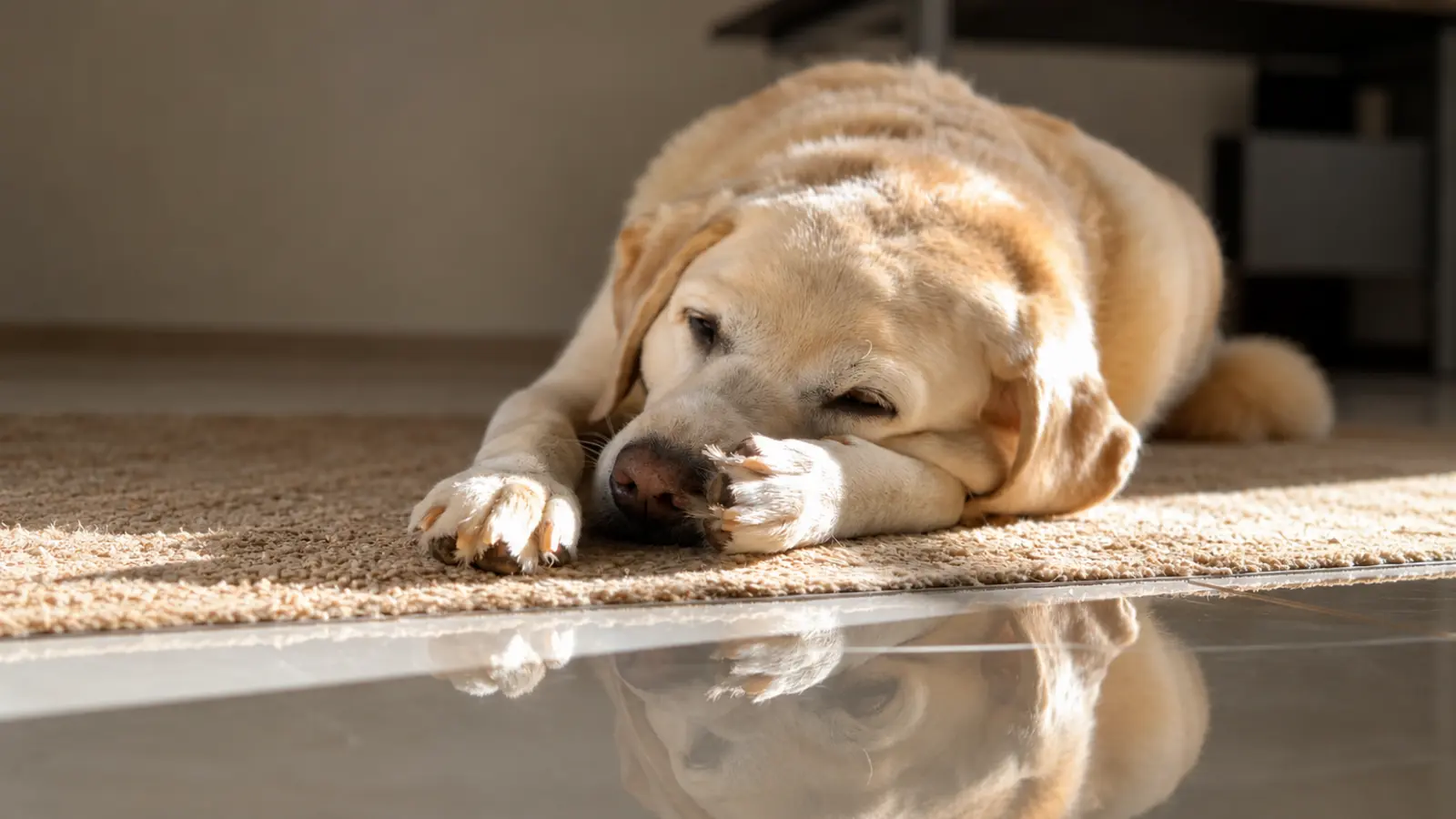
| Rest and safe space | A quiet spot where the dog can settle without being disturbed, including by children | Household activity, visitors, other pets, and recovery from illness |
| Health check-in | A minute or two noting appetite, stool, energy, movement, and breathing | Any sudden, severe, or persistent change should prompt a call to your vet |
Time alone deserves honest planning. The AVMA warns that any dog can become bored and destructive when left alone all day without an outlet for exercise, exploration, and company, and it advises arranging for someone to care for your dog during planned or emergency absences. In a shared household, name one person for each essential task and one backup, so “I thought you fed him” never becomes a daily gap.
Exercise and Enrichment
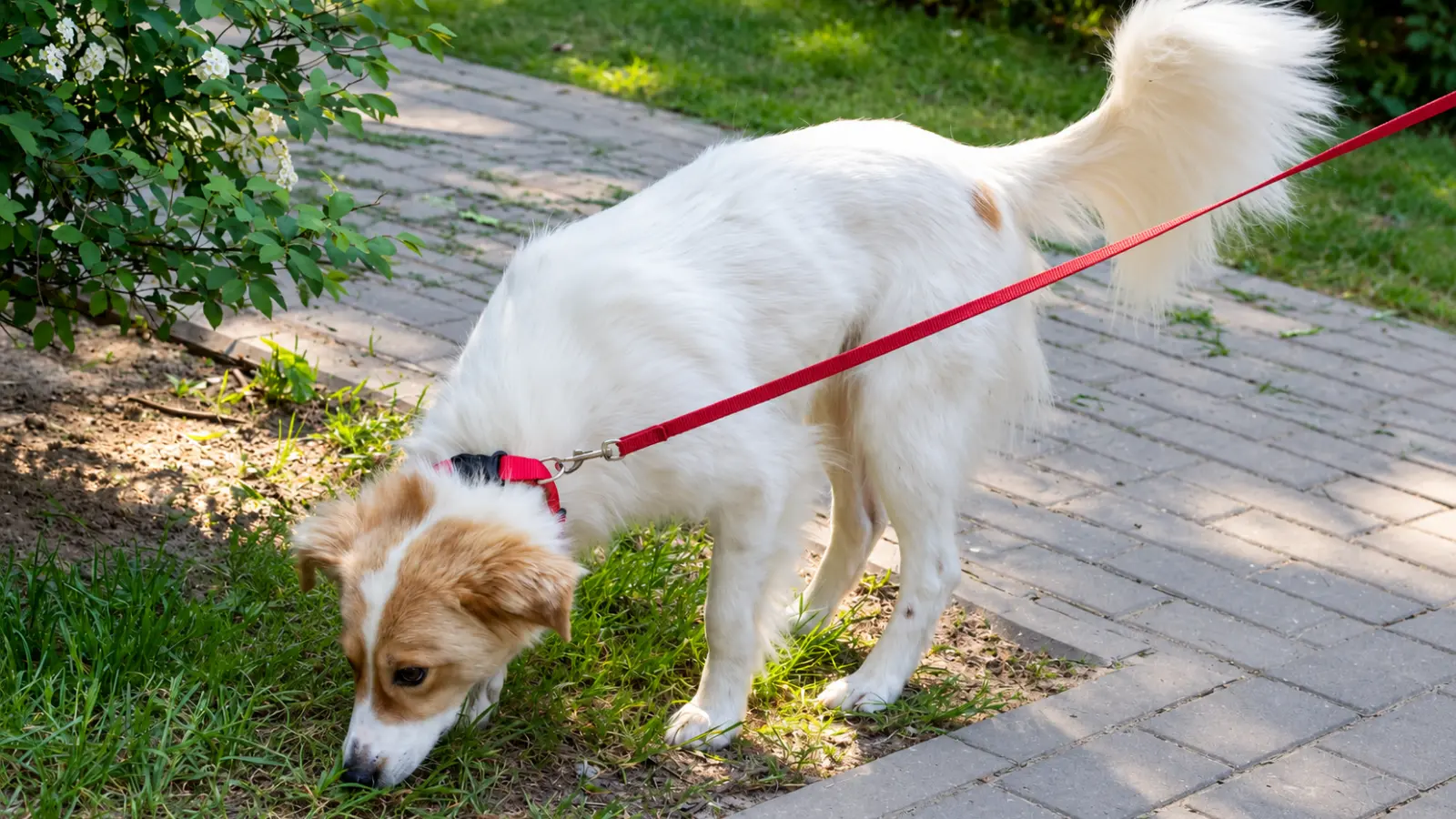
There is no single number of minutes that fits every dog. Exercise needs depend on age, size, breed traits, health, and mobility, and enrichment (the mental side of activity) matters just as much as physical effort.
Useful enrichment includes sniffing walks, short training sessions, supervised play, appropriate chew items, and food puzzles. If your dog finishes an activity calm and settled, it was probably the right amount. If the dog is frantic, frustrated, or limping afterward, scale back. Ask your vet before starting a new exercise program for a dog that is older, overweight, short-nosed, recovering from illness, or new to your care.
Dogs are social animals, and the AVMA lists isolating a dog in the backyard with no interaction as one of the worst things an owner can do. The CDC also advises against keeping dogs tied up outdoors. For fuller activity plans, see the Dog Care and Dog Behavior & Training guides.
Food, Water, and Foods to Avoid
Feed a complete and balanced diet that matches your dog’s life stage, and keep fresh water available. Puppies, adults, seniors, and dogs with medical conditions can need different diets, so do not borrow portions, supplements, or restrictions from another dog.
Food safety applies to people as well as dogs. The CDC advises against feeding raw diets, because germs such as Salmonella and Listeria have been found even in packaged raw pet foods. It also recommends keeping dog food separate from human food, not feeding dogs where human food is prepared or eaten, and washing your hands after handling dog food or feeding.
Some everyday human foods are dangerous to dogs. The ASPCA’s poison-control experts list these among the common ones:
- Chocolate, coffee, and caffeine: Darker chocolate and baking chocolate carry more risk than milk or white chocolate
- Xylitol: A sweetener found in gum, candy, baked goods, and some toothpaste
- Grapes and raisins: Linked to kidney damage in dogs
- Onions, garlic, and chives: Can damage red blood cells depending on the amount
- Macadamia nuts, alcohol, and raw yeast dough: Each can cause serious illness
- Raw bones: Can injure or block the digestive tract
Keep these out of reach, including in bags and trash. If your dog eats one, see the FAQ below. The complete feeding framework, including portions, treats, and diet changes, belongs in Dog Feeding & Healthy Weight.
Training, Socialization, and Safe Handling
Training is daily care because it teaches a dog how to live safely with people. Reward-based, consistent practice builds skills such as coming when called, settling, walking on a leash, and accepting routine handling. Keep sessions short enough for the dog to succeed.
Socialization does not mean making a dog greet everyone. It means building positive experiences at a pace the dog can handle. For puppies, the AVMA recommends positive contact with people and other dogs early in life and notes that puppy classes can help, but ask your vet which places and dogs are safe before vaccinations are complete.
The CDC’s bite-prevention advice is worth building into the household rules:
- Do not disturb a dog that is eating, sleeping, hiding, or caring for puppies
- Always supervise young children around dogs, including the trusted family dog
- Never encourage rough or aggressive play
- Do not keep petting a dog that seems scared, sick, or angry. Dogs may also bite when they are in pain
If you see fear, guarding, or biting, work with your vet and a qualified trainer or behavior professional instead of waiting for it to pass.
Grooming and Dental Care
Grooming keeps a dog comfortable and helps you notice changes in the skin, coat, ears, paws, and nails. Brushing frequency and the need for professional grooming depend on coat type and lifestyle. Introduce handling gradually with rewards, and seek help if grooming causes stress or conflict.
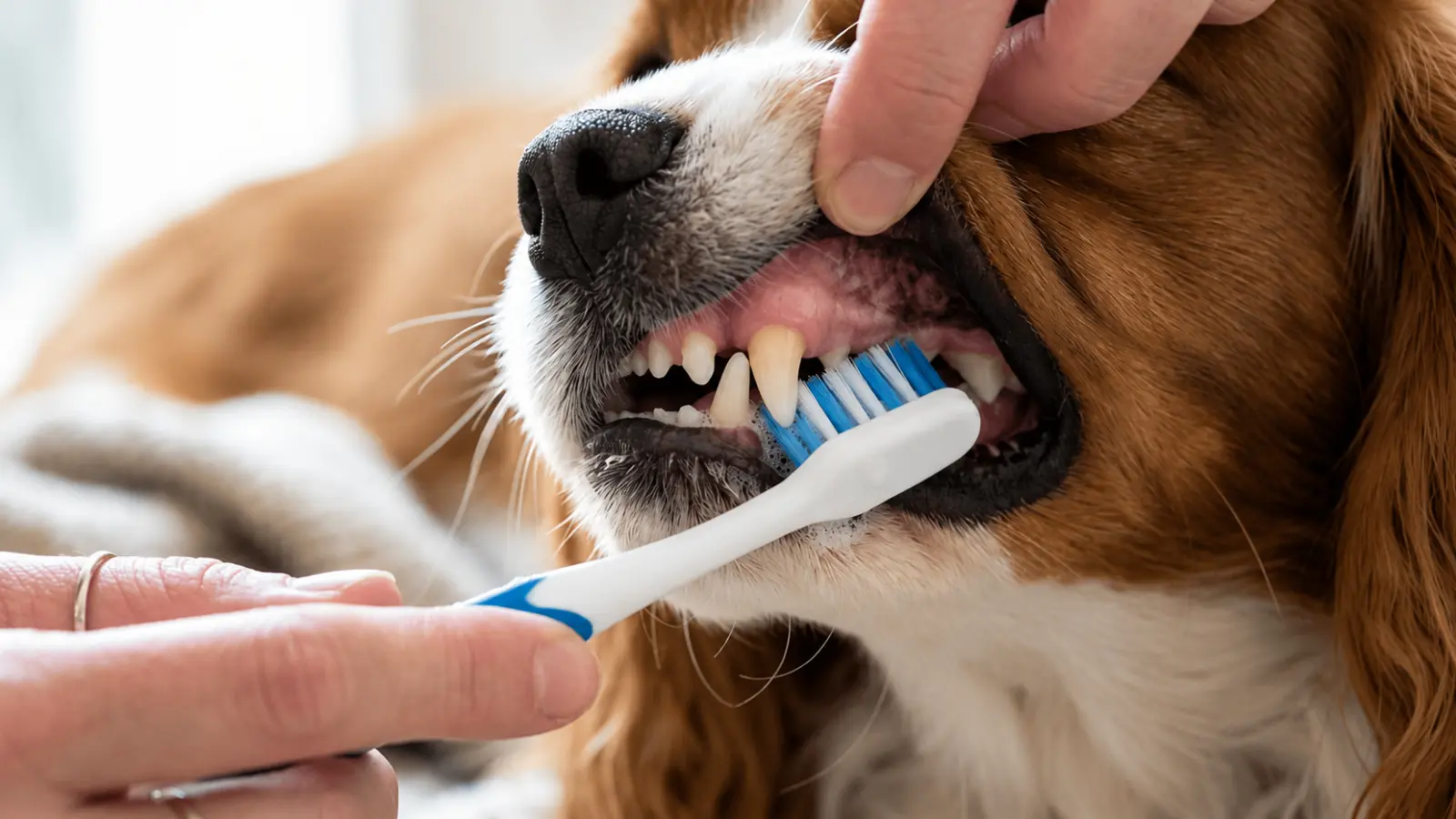
Teeth need attention too. The AVMA says periodontal disease is the most common dental condition in dogs and cats, and that most pets show early signs by age 3 if preventive steps are not taken. Its guidance is that your vet should check your dog’s teeth and gums at least once a year, and that regular brushing is the most effective thing you can do at home. Daily is best, though brushing several times a week can still help. Use toothpaste made for dogs, because some human products contain xylitol.
Book a dental check sooner if you notice bad breath, loose or broken teeth, tartar, drooling, dropping food, or reluctance to eat. Be careful when examining a dog’s mouth, because a painful dog may bite. The AVMA also notes that the American Veterinary Dental College does not recommend anesthesia-free dental cleanings, since they cannot reach below the gumline.
Preventive Vet Care and Identification
Schedule a vet visit within the first few days to a week after bringing a new dog home, as the CDC advises. After that, preventive care is an ongoing partnership. AAHA describes wellness visits as the setting for a physical exam, vaccines, parasite prevention, screening tests, and conversations about weight, dental health, and behavior.
Which vaccines and parasite preventives your dog needs depends on age, lifestyle, and where you live. Flea, tick, and heartworm risk vary by region, so ask your vet for a plan instead of copying a neighbor’s. The CDC also recommends checking your dog for ticks every day, especially after time outdoors.
Identification is part of everyday care, not an extra:
- Collar with ID tag and rabies tag: The AVMA says nothing replaces a collar with current tags, because anyone who finds the dog can read them
- Registered microchip: The chip only helps if it is registered and your contact details are current. The U.S. has no single central registry, so ask your vet which registry holds your dog’s chip
- Annual scan: Ask your vet to scan the chip at checkups to confirm it still reads
- Records in one place: Keep current photos, vaccination and medication records, and your regular and emergency clinic numbers where the household can find them
Home, Car, and Outdoor Safety
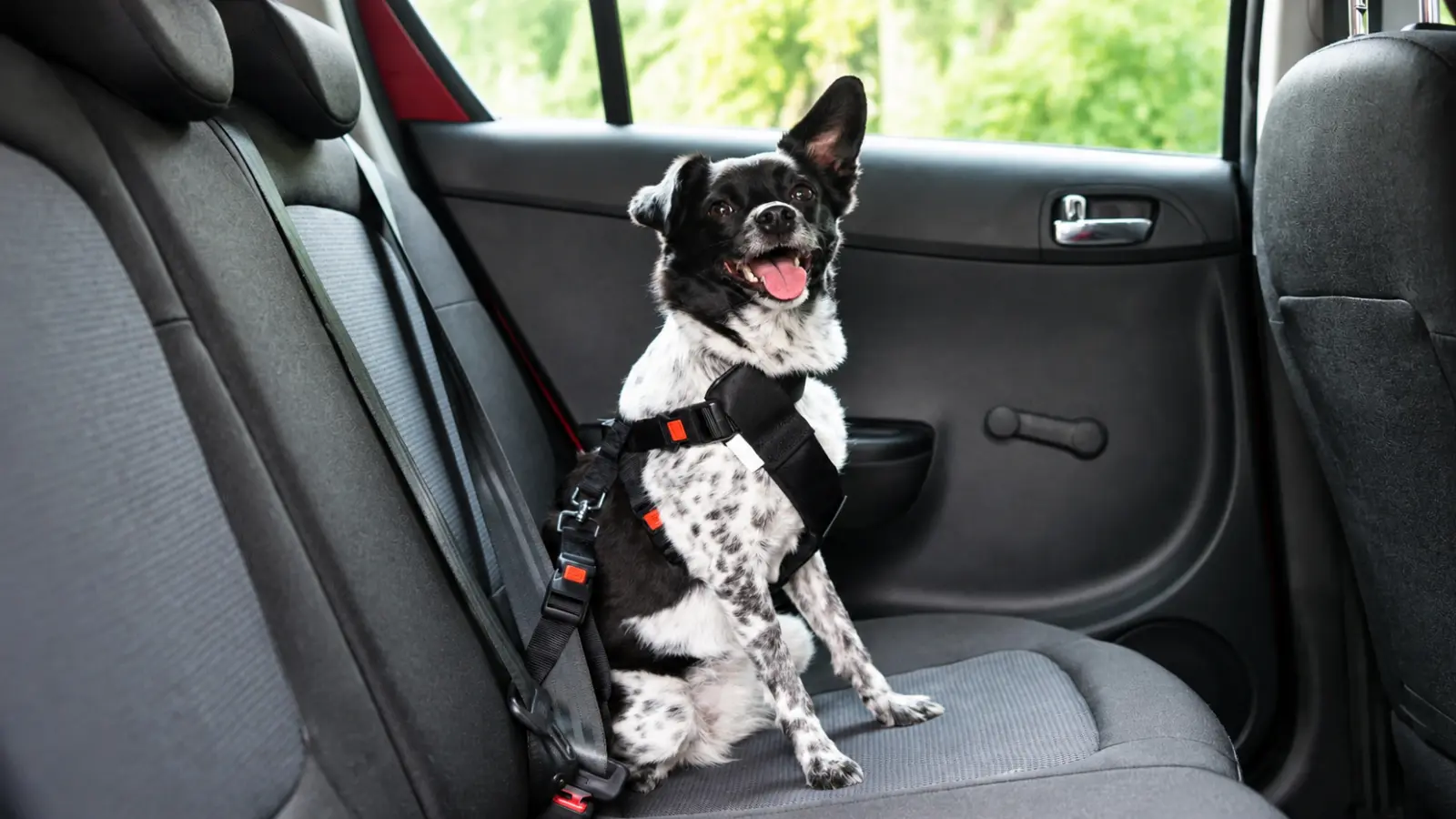
Never leave a dog alone in a parked car, no matter how long you expect to be gone. The AVMA reports that the temperature inside a vehicle can rise about 20°F in 10 minutes and more than 40°F in an hour, even in shade, and that cracking the windows makes no difference. Cold weather can also endanger dogs left in vehicles, especially young, old, ill, or thin dogs.
When your dog does ride with you, use a crash-tested harness that connects to the seat belt or a secured crate, and do not let a dog ride loose in a pickup bed or hang its head out of a window.
At home, store medications, cleaners, human food, trash, batteries, and small objects where your dog cannot reach them. Look at doors, gates, windows, balconies, and cords from your dog’s height, and adjust the space if your dog chews, climbs, or raids counters instead of waiting for the habit to fade. Outdoors, fencing gives a dog room to play and protects it from wildlife and strangers, and a leash should be used in public. Weather also changes what is safe, including heat, cold, ice, and hot pavement. Pet Safety at Home covers a room-by-room prevention plan.
Keeping Your Household Healthy Too
Dogs of any age can carry germs, even when they look healthy. The CDC recommends washing your hands with soap and water after handling your dog, its food, bowls, toys, or waste, and before you eat. Adults should supervise handwashing for children under 5.
Pick up dog waste promptly and dispose of it properly, even in your own yard and especially where children play. Clean up urine, stool, or vomit indoors right away and disinfect the area. If a dog bites or scratches someone, wash the wound with soap and water, and see a health care provider for deep or serious wounds, signs of infection, or an unknown rabies vaccination status.
Daily Observation and When to Call a Vet
You do not need to diagnose your dog to be a good observer. Learn what is normal for your dog: when and how much it eats and drinks, what its stool usually looks like, how it moves, how much energy it has, and how it responds to people. A short note or photo of anything unusual helps your vet.
Call your vet about a change that is sudden, severe, persistent, or simply worrying you. When you call, say when it started, whether it is improving or worsening, and what changed in food, routine, or surroundings.
When it is an emergency: Trouble breathing, collapse, seizures, uncontrolled bleeding, a serious injury, heavy distress after heat exposure, or a possible poisoning needs immediate veterinary attention. Call your vet or an emergency clinic right away. For possible poisoning, you can also call the ASPCA Animal Poison Control Center at (888) 426-4435, available around the clock (a consultation fee may apply). Do not give human medications or try to induce vomiting unless a veterinary professional tells you to.
This article provides general pet-care information and is not a substitute for veterinary diagnosis or treatment.
Your First-Week Checklist
If you are starting from scratch, these steps cover the essentials in a sensible order:
- Book the first vet visit and bring any records from the shelter, rescue, or breeder
- Put an ID tag on a collar and register or update the microchip
- Save your regular vet, an emergency clinic, and poison control in your phone
- Set up a quiet resting space and walk through the home for hazards at dog height
- Name one person per daily task and one backup, and write down feeding times
- Choose short, reward-based training sessions and give your dog time to adjust before adding new people, places, or dogs
Which Dog-Care Guide to Read Next
This page is the starting point, not the whole dog-care library. Use Dog Feeding & Healthy Weight for food, portions, and body condition; Puppy Care for early life; Dog Health for symptoms and preventive care; Dog Grooming for coat, nail, and ear routines; and Dog Behavior & Training for deeper behavior support.
Once the daily essentials are clear, add them to Pet Care Schedule so care stays consistent through busy weeks and travel. For the wider responsibilities of pet ownership, read Pet Care Advice.
Build a Healthy, Consistent Care Routine for Your Dog
Taking good care of a dog is not about following a perfect schedule or treating every dog the same way. It means providing nutritious food, regular exercise, companionship, positive training, a safe environment, and attentive veterinary care while adapting those responsibilities to your dog’s age, health, and individual needs. Small, consistent habits can make a meaningful difference in your dog’s comfort and quality of life.
As your dog grows and its needs change, continue reviewing its routine, behavior, diet, and health with guidance from your veterinarian. Pay attention to changes in appetite, energy, movement, and everyday behavior, and seek professional advice when something seems wrong. Responsible dog ownership is a lifelong commitment built on patience, observation, and dependable care.
Frequently Asked Questions
What does a dog need every day?
Every dog needs complete and balanced food, fresh water, regular bathroom breaks, appropriate exercise, mental stimulation, companionship, and a safe place to rest. Daily care should also include opportunities for positive training and a quick check of appetite, energy, stool, breathing, and movement. The amount and timing of each activity depend on the dog’s age, size, health, temperament, and individual needs.
How often should you feed a dog?
Most healthy adult dogs do well with two scheduled meals a day, while puppies generally need more frequent feeding because of their growth and development. Choose a complete and balanced diet appropriate for your dog’s life stage, and measure portions according to body condition, activity level, and veterinary guidance. Keep fresh water available throughout the day, and avoid changing diets abruptly.
How much exercise does a dog need each day?
Exercise needs vary considerably with age, breed traits, size, fitness, and health. Many dogs benefit from daily walks, play, and opportunities to explore, but there is no single exercise duration that suits every dog. Combine physical activity with mental enrichment, such as sniffing games, food puzzles, and short training sessions. Puppies, senior dogs, and dogs with medical conditions may need modified routines.
Can you leave a dog home alone while you work?
Many adult dogs can tolerate some time alone, but the appropriate duration depends on their health, temperament, training, and bathroom needs. Puppies and dogs with separation-related distress generally need more frequent attention. Provide a safe environment, suitable enrichment, and opportunities for exercise and toileting. If your workday is long, arrange a trusted walker, sitter, or caregiver rather than assuming your dog can comfortably manage an entire day alone.
How often should you take your dog to the veterinarian?
Healthy adult dogs generally benefit from at least an annual wellness examination, while puppies, senior dogs, and dogs with ongoing medical conditions may need more frequent visits. Your veterinarian should tailor vaccinations, parasite prevention, dental assessments, and screening tests to your dog’s individual risks. Schedule an initial examination within a few days to a week of bringing a new dog home, even if it appears healthy.
What should you do if your dog eats something toxic?
Contact your veterinarian, an emergency veterinary clinic, or an animal poison control service immediately if your dog eats chocolate, grapes, raisins, xylitol, or another potentially toxic substance. Note what was eaten, approximately how much, and when the exposure occurred, and keep any packaging available. Do not wait for symptoms, induce vomiting, or give home remedies unless a veterinary professional specifically instructs you to.