

A pet care schedule helps you stay on top of feeding, cleaning, exercise, grooming, veterinary appointments, and other responsibilities without relying on memory alone. The best routine starts with your pet’s actual needs, then organizes each task into a manageable plan that fits your household.
Not every animal follows the same schedule. A dog’s daily walks, a cat’s litter box maintenance, and a reptile’s habitat checks involve very different responsibilities. Your pet’s species, age, health, and veterinary recommendations should determine what needs to be done and how often.
This guide explains how to create a pet care schedule with daily, weekly, monthly, and yearly tasks, practical reminders, shared responsibilities, and backup-care planning. You’ll also find examples for different types of pets and learn how to adjust the routine as your animal’s needs change.
Start With the Actual Care Plan
Before you add a repeating task, confirm what the animal needs. Use reliable species-specific guidance, the instructions for any habitat equipment, and your veterinarian’s recommendations. This matters most for birds, rabbits, small mammals, fish, reptiles, and amphibians, whose diet, social needs, and environment can differ sharply from a dog’s or cat’s.
Then make a simple care inventory. List every recurring job under these headings:
- Food and water
- Cleaning of litter, bedding, cages, tanks, or bowls
- Exercise, play, or enrichment
- Grooming and habitat or equipment checks
- Medication and preventive veterinary care
- Identification, records, and emergency contacts
Next, add whatever changes the plan: life stage, indoor or outdoor access, number of animals, medical needs, and who is home at different times of day. This page organizes the routine. The broader principles are in Pet Care Advice: The Basics Every Pet Owner Should Know, and choosing the animal itself belongs in Choosing Your First Pet.
Sort Tasks by Frequency
Most care fits into four groups. The group gives a task a home on the calendar; it does not set the interval, which still comes from the species guide and your vet. The right-hand column shows how the same four groups might look for an adult indoor cat, as an illustration only.
| Frequency | What Belongs Here | Example: Adult Indoor Cat |
|---|---|---|
| Daily | Food, fresh water, species-appropriate cleaning, activity, and a quick look at the animal and its space | Meals as your vet or the food label directs, fresh water, litter scooping, a play session, a glance at appetite and litter habits |
| Weekly | Deeper cleaning, supply checks, grooming the pet actually needs, and fresh enrichment | Litter box wash per the litter’s directions, food and litter stock check, brushing if the coat calls for it, rotating toys |
| Monthly | Inventory, equipment checks, notes review, and schedule review | Reorder supplies and refills ahead of time, check the carrier and ID tag, read the month’s notes for patterns |
| Yearly or seasonal | Veterinary visits, microchip details, plan renewals, travel and weather preparation | Book the annual exam, confirm microchip registration, renew pet insurance if you have it |
Use reminders in two layers. Recurring reminders keep ordinary care visible. One-time reminders handle refills, appointments, travel dates, and equipment replacement. A paper calendar, a shared phone calendar, a habit app, or a chart on the refrigerator can all work, as long as the people responsible will actually check it.
Keep the list short enough to follow. A schedule with ten tasks that get done beats one with thirty that get ignored, and you can add detail once the basics become habit.
Daily Care: Essentials and Observation
Daily tasks come first because they support the pet’s basic comfort and give you a regular chance to notice change. Build them around the animal’s natural rhythm instead of forcing care into a convenient but unsuitable time. A nocturnal small mammal, for example, may be most active when you are winding down.
For many pets, the daily block covers meals, clean water, needed cleaning, and a short look at appetite, movement, breathing, waste, behavior, and surroundings. You are not diagnosing anything. You are learning what normal looks like for this animal, so a change stands out. A one-line note or a photo of anything unusual is enough, and the daily check is covered in more depth in Pet Care Advice.
One rule overrides the calendar: if you notice a sudden or significant change in eating, drinking, energy, breathing, waste, or behavior, contact your veterinarian instead of waiting for the next scheduled task. Urgent signs are covered in Pet Safety & Emergency.
Hygiene belongs on the daily list too. The CDC advises washing your hands with soap and water after touching or feeding a pet, handling pet food, or cleaning up waste, and keeping pets and their supplies out of the kitchen. Put enrichment on the calendar as well, whether that means walks, supervised play, foraging, climbing, or social time. The activity itself comes from the species guide. The schedule keeps it from disappearing on hectic days.
Weekly, Monthly, and Yearly Reminders
These groups cover jobs that matter but do not need daily attention. Do not copy an interval from another species or another household, because a cleaning rhythm that suits one setup can stress another. In tanks and technical enclosures, follow the specific system’s maintenance plan instead of a generic deep-clean rule, and avoid “catch-up” cleaning that disrupts the animal’s familiar environment.
Weekly and monthly prompts
- Schedule deeper cleaning only for items and intervals that suit the species and setup
- Check food, bedding, litter, filter media, and other supplies before they run low
- Plan grooming, nail, or dental care only at the frequency your vet or species guide recommends
- Inspect carriers, leashes, latches, lighting, filtration, or thermometers relevant to your animal
- Update the emergency contact sheet and confirm your backup caregiver can find it
Yearly and seasonal reminders
Preventive veterinary care works best as an ongoing plan, not one yearly checkbox. For dogs and cats, AAHA guidance calls for regular preventive exams and notes that senior pets can benefit from exams every six months. For other species there is no single schedule, so ask your veterinarian what fits your animal’s species, age, and lifestyle. Put the next date on the calendar before you leave the appointment, and add a reminder far enough ahead to arrange time and transport.
The annual exam is also a good moment to ask your vet to scan your pet’s microchip and confirm your contact details are current with the registry. Seasonal reminders can include weather planning, travel preparation, and changes to activity or environmental management. A heat wave can change a dog’s exercise plan, and shorter daylight can matter for a habitat that uses lighting. Your pet’s guide and veterinarian decide what applies.
Same Calendar, Different Work
The same four groups hold very different tasks depending on the animal, which is why a universal pet checklist falls short. These are planning models, not care instructions, and “small mammals” and “reptiles” each cover many species with different needs. Read the matching care guide before you set real tasks and intervals.
| Pet Type | Daily Focus | Recurring Planning Focus |
|---|---|---|
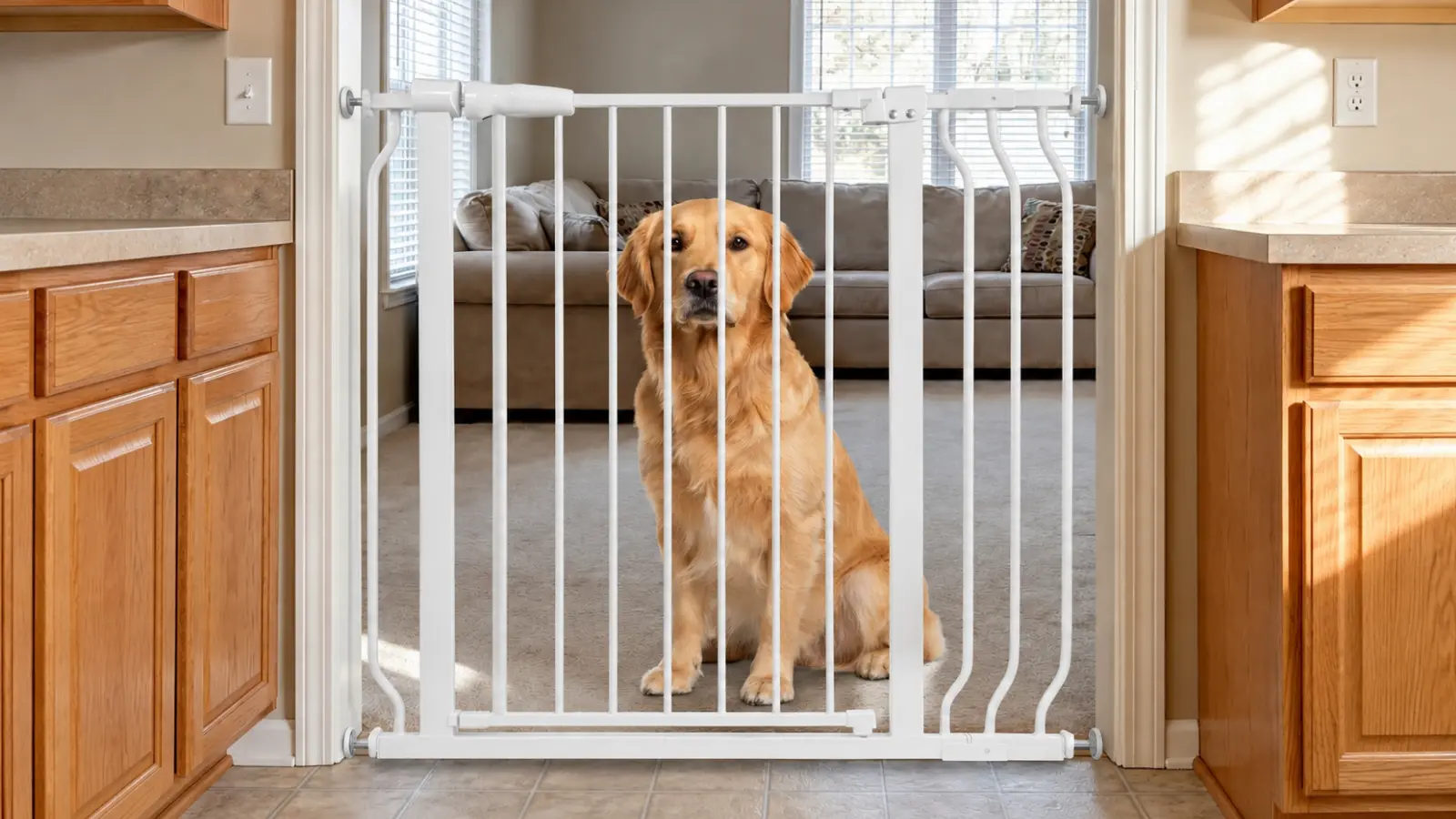
| Dogs | Meals, water, toileting, exercise, social contact, and any prescribed care | Coat and nail needs, training, supplies, preventive care, and a plan for long workdays |
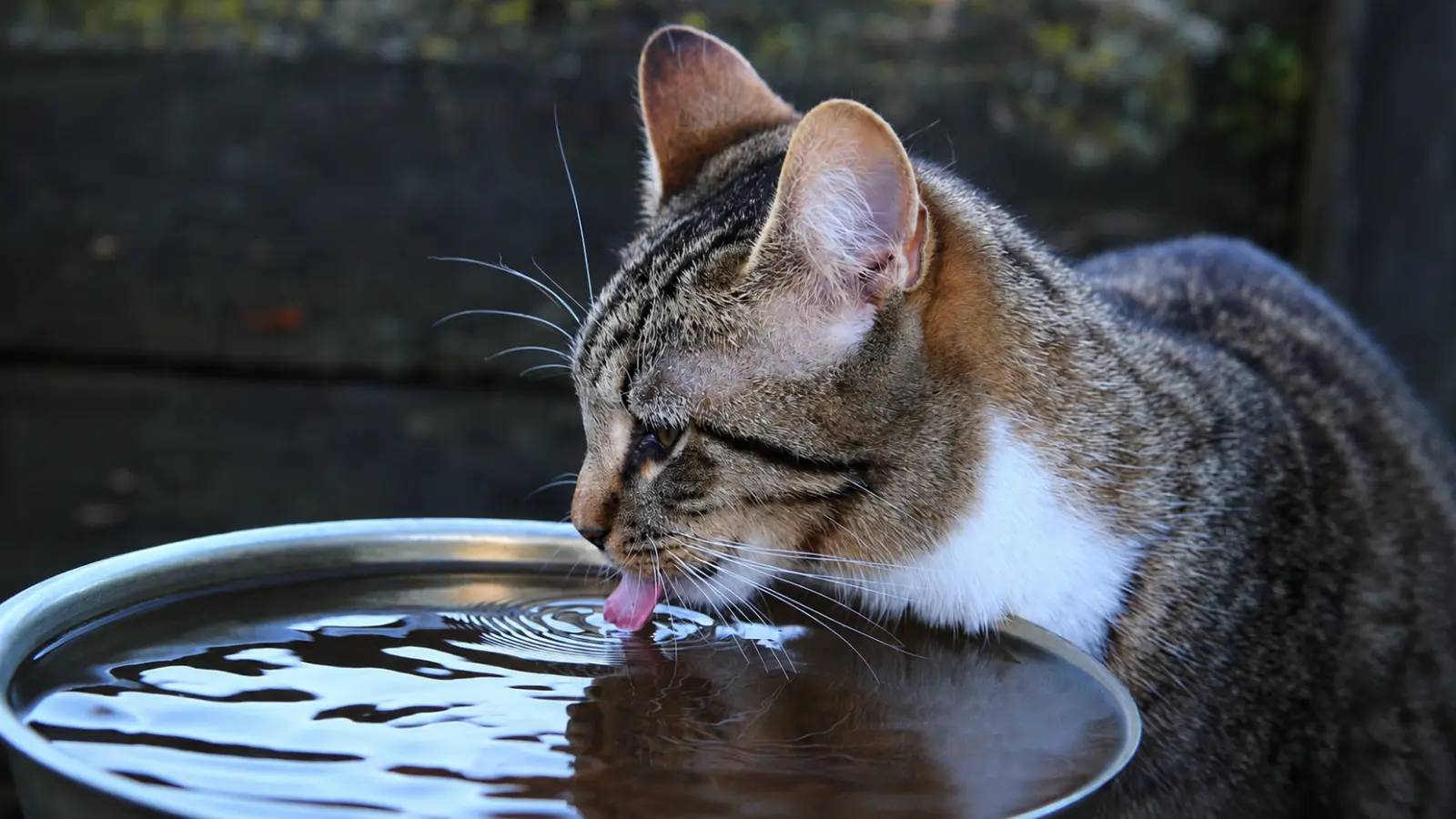
| Cats | Meals, water, litter care, play, and access to safe resources | Litter-area upkeep, brushing or nail care when needed, enrichment rotation, carrier readiness |
| Rabbits and small mammals | Species-appropriate food and water, safe exercise or interaction, targeted enclosure care | Bedding and enclosure work at the right interval, social and enrichment needs, a vet who treats the species |
| Birds | Fresh food and water, social or enrichment time, a steady sleep schedule, clean air | Species-specific cage care, perch and toy safety checks, avian-vet access |
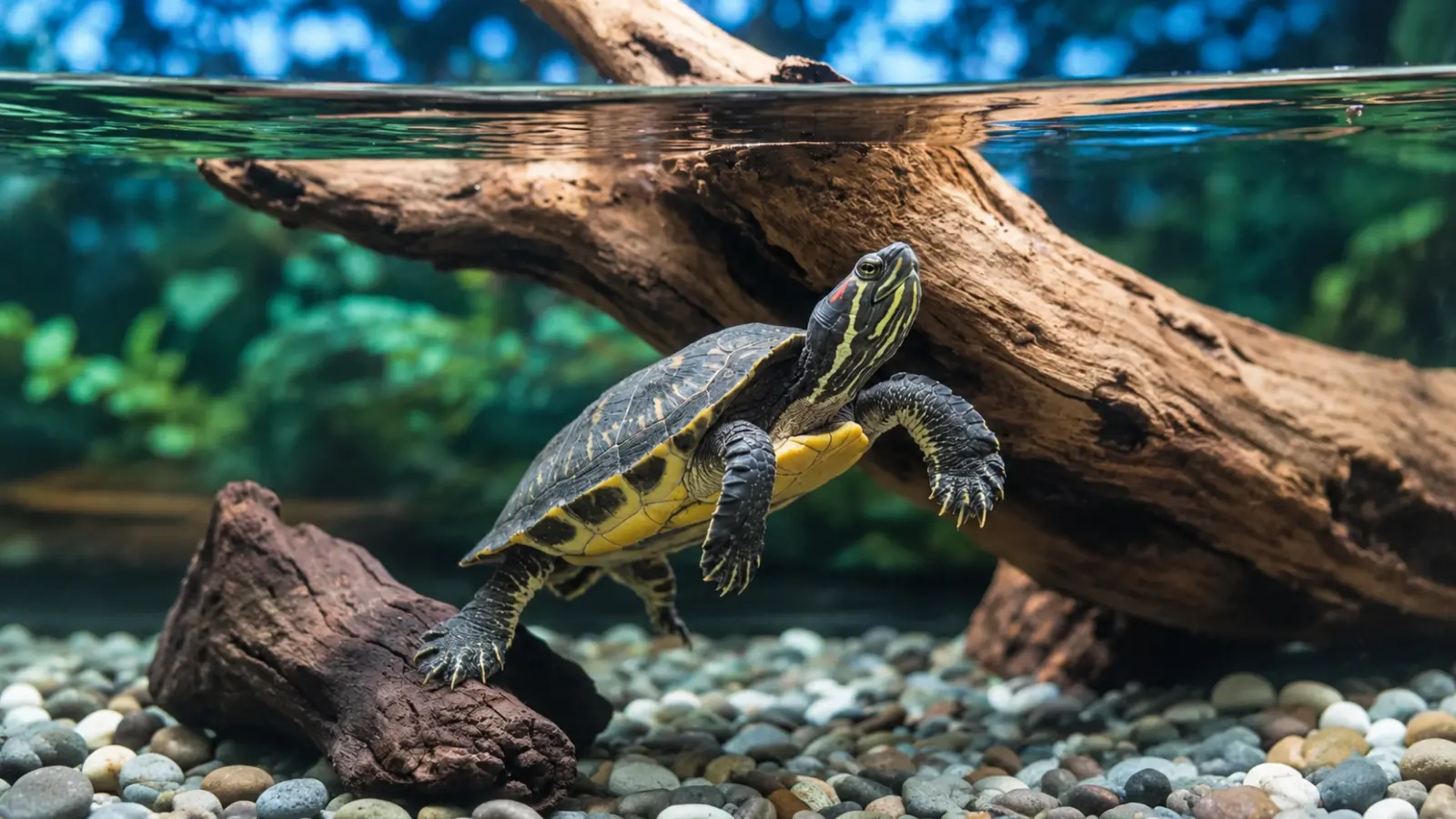
| Fish, reptiles, and amphibians | Species-specific feeding and a check of the conditions that support the animal | Water, filtration, lighting, temperature, humidity, and cleaning according to the species and system, not because the calendar says so |
For tank and enclosure animals, note the readings that matter for that species. For dogs and cats, note routines that create gaps, such as a long commute. For social animals, add companionship and interaction. The calendar should make these real responsibilities visible.
Share Responsibilities Without Losing Accountability
“Everyone helps” is not a plan. Give each recurring task one primary person and one backup, and record where completion is logged, such as a shared calendar or a chart by the food storage. A household of three might look like this: one adult owns morning meals and medication, a teenager owns afternoon water and play, and a second adult owns appointments, refills, and the emergency folder. Each has a named backup.
Children can take age-appropriate tasks, but an adult should stay accountable for confirming that essential care was done and for health and safety decisions. Adults should also supervise handwashing for young children. Before an emergency, give the backup person access to keys, carriers, supplies, contact details, and the species care instructions. A handoff is far safer when it has been practiced while everyone is calm.
Medication and Appointment Reminders

Give any treatment plan its own dedicated reminder. Record the medication name, the time or interval your veterinarian directed, where it is stored, who gives it, and when the next refill is due. Never use a generic online schedule to change a dose, timing, or treatment plan, and never use another pet’s medication. If directions are unclear or a dose is missed, call the prescribing veterinary team.
Appointments deserve their own reminders. Add the date, travel time, carrier or transport preparation, questions to ask, and any follow-up date. Keep vaccination and medical records where both the primary caregiver and the backup can find them without scrolling through old messages.
Travel and Backup-Care Planning
A good routine survives a weekend away, a delayed flight, or a family emergency. Keep a short, current care sheet for a trusted backup caregiver. It should cover:
- The pet’s ordinary routine and allowed foods
- Handling boundaries and habitat notes
- Medication directions exactly as your vet gave them
- Contact details for your veterinarian and an emergency clinic that treats your type of animal
- Microchip and identification details, and where supplies are kept
Plan the handoff before you travel, not from the airport. Show the caregiver how the animal’s space works and what changes should prompt a call. If your pet has complex environmental needs, such as a heated enclosure or a cycled aquarium, the caregiver must be able to maintain them safely, and a general pet sitter may not be the right fit.
For disaster planning, the ASPCA advises keeping a portable kit with medical records, water, food, and medications, choosing a designated caregiver, and keeping microchip registration current. Plan for the household’s people and pets together, because a pet’s care plan only helps if someone can carry it out during disruption. More detail is in Pet Safety & Emergency.
Update the Schedule as Your Pet Changes
Revisit the routine whenever your pet enters a new life stage, starts or ends a treatment plan, moves homes, shares space with another animal, or develops new care needs. Puppies, kittens, newly adopted animals, seniors, and pets recovering from illness often need a different structure than a healthy adult in a settled home.
For many households, a monthly five-minute review is enough. Ask four questions: What was skipped? What became inconvenient? Did my pet’s needs change? Does the backup plan still make sense? Adjusting early is easier than waiting for tasks to pile up. The best pet care schedule is not the most detailed one. It is the one that matches the animal’s real needs and that your household can keep following.
Find the Right Care Guide
The schedule only works if the tasks inside it are right. Start with the guide that matches your pet:
- How to Take Care of a Dog
- How to Care for a Pet Cat
- How to Care for a Pet Rabbit
- How to Take Care of a Pet Bird
- How to Take Care of a Pet Hamster
- How to Care for a Pet Gerbil
- How to Care for a Pet Turtle
- How to Take Care of a Pet Snake
- How to Care for a Pet Iguana
- How to Care for a Pet Fish
If your animal is not listed, ask a veterinarian who treats that species before relying on general advice.
Build a Pet Care Routine You Can Actually Maintain
A successful pet care schedule is not the longest or most detailed checklist. It is a practical system that reflects your animal’s real needs, keeps essential tasks from being overlooked, and makes responsibilities clear for everyone involved. Start with species-specific guidance, organize tasks by frequency, and use reminders that fit naturally into your household’s daily life.
As your pet grows, ages, or develops new needs, revisit the schedule and adjust it with guidance from your veterinarian when appropriate. Consistent care, regular observation, and a reliable backup plan will always matter more than following a rigid calendar that no longer works for your pet.
Frequently Asked Questions
What should a pet care schedule include?
A pet care schedule should organize feeding, water, cleaning, exercise, enrichment, grooming, habitat maintenance, and veterinary care according to your animal’s needs. Include medication reminders, supply checks, and time to observe changes in appetite, behavior, or health. Each task should have an appropriate frequency, a responsible caregiver, and a reminder. Use species-specific guidance and veterinary recommendations to determine the actual care requirements.
What pet care tasks should be done daily, weekly, or monthly?
Daily tasks generally include appropriate feeding, water checks, necessary cleaning, activity, and observation. Weekly tasks may involve deeper cleaning, grooming, equipment inspections, or supply checks, depending on the species. Monthly reminders can help organize refills, records, and schedule reviews, while veterinary appointments follow an individualized plan. Never assume the same intervals work for every animal or habitat.
How do you organize a pet care schedule for multiple pets?
Create an individual care plan for each animal, then combine the tasks into one shared calendar or checklist. Keep feeding, medication, cleaning, and environmental requirements separate when they differ. Assign a primary caregiver and a backup for every essential task, and use clear labels to prevent confusion. Pets of the same species may still need different routines because of age, health, or individual circumstances.
What is the best way to keep track of a pet care routine?
Choose a system everyone responsible for care can access and consistently use, such as a shared digital calendar, reminder app, or printed checklist. Set recurring reminders for routine tasks and separate alerts for appointments, medication refills, and supplies. Record completed responsibilities when several people share care. A simple schedule that gets followed is more effective than a complicated one that is frequently ignored.
What should you do if you miss a pet’s medication or care task?
For a missed medication dose, contact the prescribing veterinarian for instructions rather than doubling the next dose or changing the treatment schedule yourself. For ordinary tasks, address any immediate needs and resume the appropriate routine without unnecessary catch-up cleaning or activity. If missed responsibilities become frequent, adjust reminders or caregiver assignments. Never delay essential care simply because the next scheduled time has not arrived.
How often should you update your pet care schedule?
Review the schedule about once a month to identify missed tasks, changing needs, or responsibilities that are difficult to maintain. Update it sooner when your pet becomes ill, starts medication, enters a new life stage, or experiences a significant change in its environment. Travel, new household members, and changes in caregiver availability may also require adjustments. The goal is a realistic routine that continues to meet your pet’s individual needs.