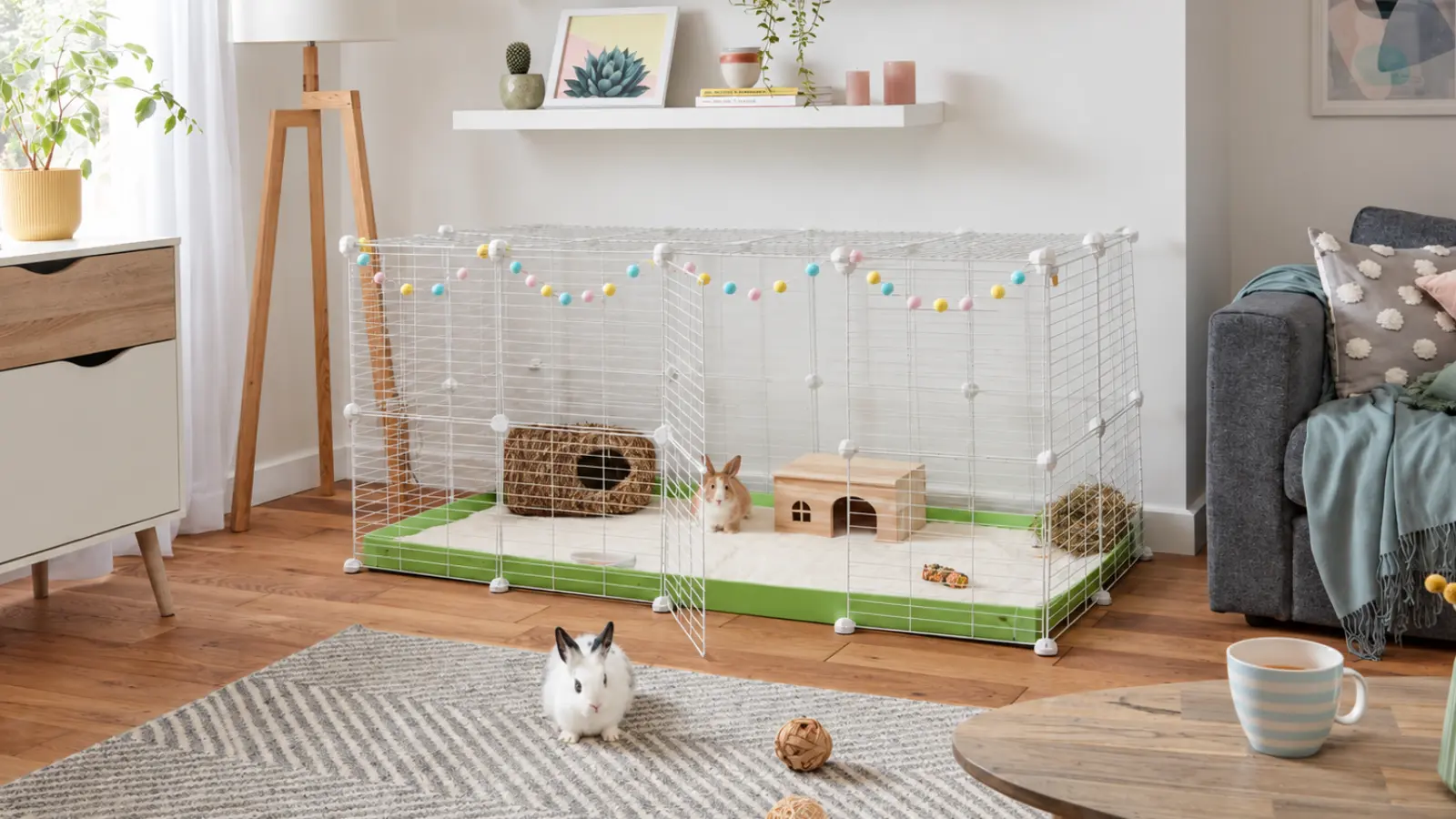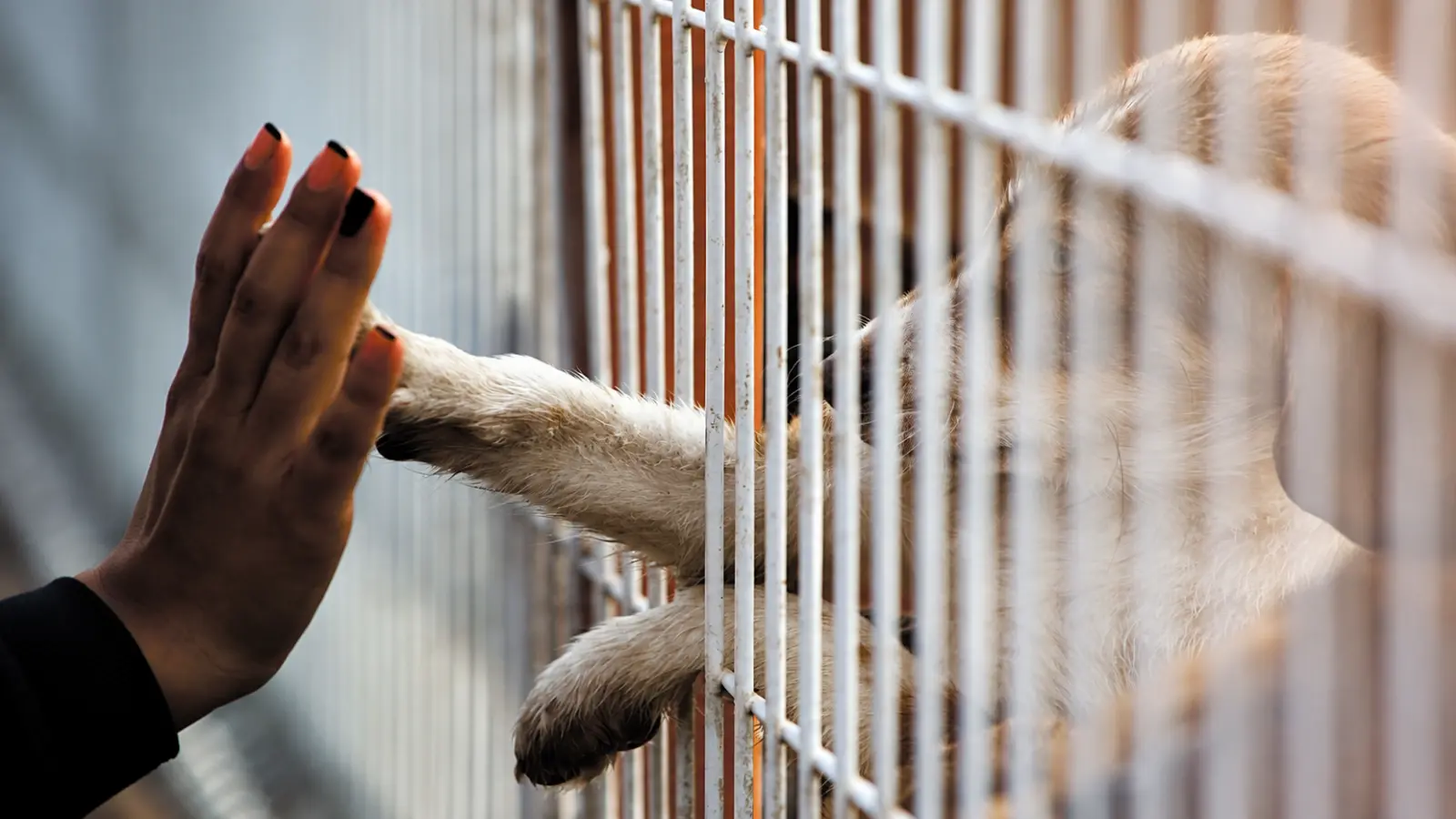


Good pet care starts with understanding that every animal has different needs. Dogs, cats, rabbits, birds, reptiles, and fish all depend on responsible daily care, but their diets, habitats, behaviors, and health requirements can vary dramatically. What works well for one pet may be unsuitable—or even unsafe—for another.
The best pet care advice begins before you bring an animal home. Choosing the right pet, creating a safe environment, establishing consistent routines, providing appropriate nutrition and enrichment, and planning for veterinary care all contribute to a healthier, more comfortable life. Just as importantly, learning what is normal for your pet helps you recognize when something may be wrong.
This guide covers the essentials of responsible pet ownership, from choosing a suitable companion and preparing your home to daily care, preventive health, emergency planning, and long-term commitment. You’ll also learn why species-specific guidance matters and where to begin when your pet needs more specialized care.
Choose a Pet That Fits Your Real Life
The right pet is the one whose full needs match the time, space, budget, and household you actually have, not the one that appeals most in the moment. The AVMA notes that unmet expectations are among the leading reasons people give up their pets, so this decision deserves more care than any step that follows it.
Ask practical questions first. How much space will the animal need as an adult? Do local laws, a lease, or a homeowners association limit the species, size, or number of pets? Who will handle daily care, cleaning, exercise, and appointments? Are there young children, allergies, or other pets in the home? Is there a qualified veterinarian nearby who treats that species?
Household health belongs in the decision too. Children can help with age-appropriate tasks, but an adult needs to stay responsible for the animal’s welfare. Reptiles, amphibians, and rodents can carry Salmonella while looking perfectly healthy, and the CDC advises that children younger than 5, older adults, and people with weakened immune systems should not handle reptiles or amphibians. If anyone in your home falls into one of those groups, choose the species with that in mind.
A pet does not need to be “easy” to be a good match. It needs to be a realistic match. The fuller decision process is covered in Choosing Your First Pet, the next guide in this series.
Research the Species Before You Commit
The most useful pet care advice often comes before the animal arrives. A fish tank needs cycling and water management. A rabbit needs far more room than a small cage suggests. A reptile may need species-specific heat, humidity, and lighting. Birds have social, sleep, and air-quality needs that are easy to underestimate. Before committing, research the animal’s adult size and lifespan, diet, housing, cleaning routine, enrichment, handling needs, household hazards, and access to routine and emergency veterinary care.
The table shows how much the focus of daily care shifts between common pets. It is a map, not a care plan, and every row still varies by individual species and breed.
| Type of Pet | Daily Care Centers On | Easy to Underestimate |
|---|---|---|
| Dogs | Exercise, training, social time, and regular feeding and bathroom breaks | Time and consistency; needs vary with age, size, and breed |
| Cats | Litter box upkeep, feeding, play, and places to climb, scratch, and hide | Indoor enrichment; a change in litter box habits is worth noticing |
| Rabbits | Species-appropriate food, secure housing, cleaning, and daily interaction | Space; they need far more room than many starter cages provide |
| Hamsters, gerbils, and other small rodents | Secure enclosure, suitable bedding, cleaning, and chewing or burrowing enrichment | Social needs that differ by species: some do best alone, others with compatible companions |
| Birds | Diet, daily social interaction, perches, and a regular sleep schedule | Social needs, air quality, and household fumes; some species live for decades |
| Reptiles (turtles, snakes, iguanas) | Heat, light, humidity, feeding, and enclosure upkeep | Settings and equipment that differ sharply by species, plus Salmonella hygiene |
| Fish | Water quality, filtration, temperature, and feeding | Cycling the tank before adding fish; freshwater versus marine needs and compatibility |
Do not rely on a store display, a short social-media video, or a broad “low-maintenance” label. An animal may seem simple in one area while demanding specialized equipment, a lot of time, or lifelong care in another. The AVMA also advises against keeping wild animals as pets, because their needs are very hard to meet in a home.
Create a Safe Home or Habitat

Your pet’s environment should be ready before the first day home. For dogs and cats, that may mean safe resting areas, secured doors and windows, protected cords, and supplies stored out of reach. For smaller pets and exotics, it means an enclosure with the right space, ventilation, security, temperature control, hiding areas, and species-appropriate enrichment.
Walk through each room at your pet’s eye level and check doors, gates, windows, balconies, medications, cleaners, laundry products, small swallowable objects, food, plants, cords, bins, heating sources, electrical equipment, and open water. Confirm that cages, aquariums, habitats, and carriers are secure, and that food, water, resting, and toileting areas are placed sensibly.
A safety check is not a one-time task. Repeat it as a pet grows, gains mobility, or moves into a new space. Pet Safety at Home covers detailed prevention and emergency readiness for this series.
Build a Daily Routine That Includes Observation
A daily routine has two parts: tasks and observation. The tasks are providing suitable food, refreshing clean water, cleaning toileting or habitat areas, and making time for species-appropriate activity, rest, and social contact. The observation is what lets you notice a problem early, because an owner who knows an animal’s normal is far more likely to catch a meaningful change.
A quick daily check, even a few minutes, can cover:
- Eating and drinking: Does your pet approach food and water as usual? Note meals left unfinished or a sudden change in thirst.
- Energy and behavior: Is your pet as active, alert, and social as is normal for its species and age?
- Waste: Where you can see it, note the amount, frequency, and appearance of stool, droppings, or urine.
- Breathing and movement: Watch for labored or noisy breathing, limping, stiffness, or trouble with balance.
- Body and surroundings: Check coat, skin, feathers, shell, and eyes, and for habitat pets, temperature, water quality, and equipment.
You do not need to interpret what you see. The goal is to know what is normal for your pet so you can recognize a change quickly and describe it clearly. A short note or a photo of anything unusual is enough. How to Create a Pet Care Schedule That Works helps organize recurring tasks around your pet’s actual needs.
Food, Water, and Cleaning Are Species-Specific
One of the easiest ways to give poor care is to assume that every animal can eat a version of the same diet or live in the same type of setup. Choose food that is appropriate for the species and life stage, then follow product guidance and veterinary advice when a pet has a health condition or special nutritional need.
Treats, toppers, supplements, and homemade foods do not automatically provide complete nutrition. Water needs attention too: some pets need a bowl refreshed daily, while others depend on water systems, humidity, aquatic conditions, or habitat cleaning that must be managed differently.
Cleaning should protect the pet without removing everything familiar or causing unnecessary stress. Keep food areas, toileting areas, bedding, cages, tanks, and handling supplies clean according to the needs of that species. Wash your hands after handling animals, their food, waste, habitats, or supplies, and supervise handwashing for young children.
Enrichment, Exercise, and Social Needs Matter
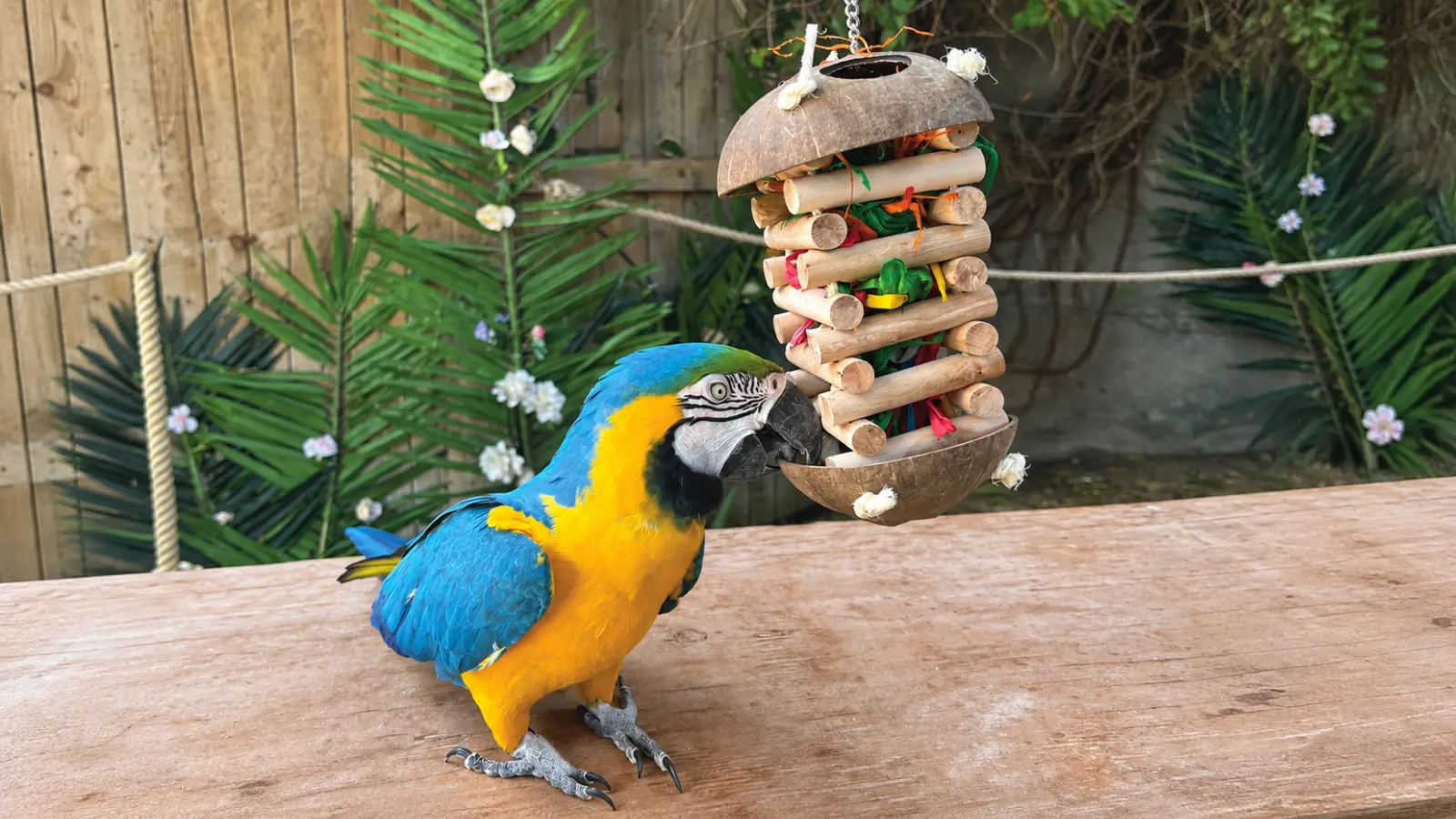
A clean home and a full food bowl are not enough for a pet to thrive. Animals also need chances to move, explore, rest, solve simple problems, use natural behaviors, and feel secure.
Enrichment is not one universal toy or activity. It can mean walks, sniffing, training, and safe play for dogs; climbing, scratching, hunting-style play, and hiding areas for cats; digging, chewing, and burrowing for suitable small mammals; or climbing, basking, perches, foraging, and secure hides for other species.
Social needs vary too. Some animals do best with compatible companions, while others need separate housing or carefully managed introductions. Never assume an animal should live alone or with another animal simply because a different species has those needs.
Keep Preventive Veterinary Care Part of the Plan
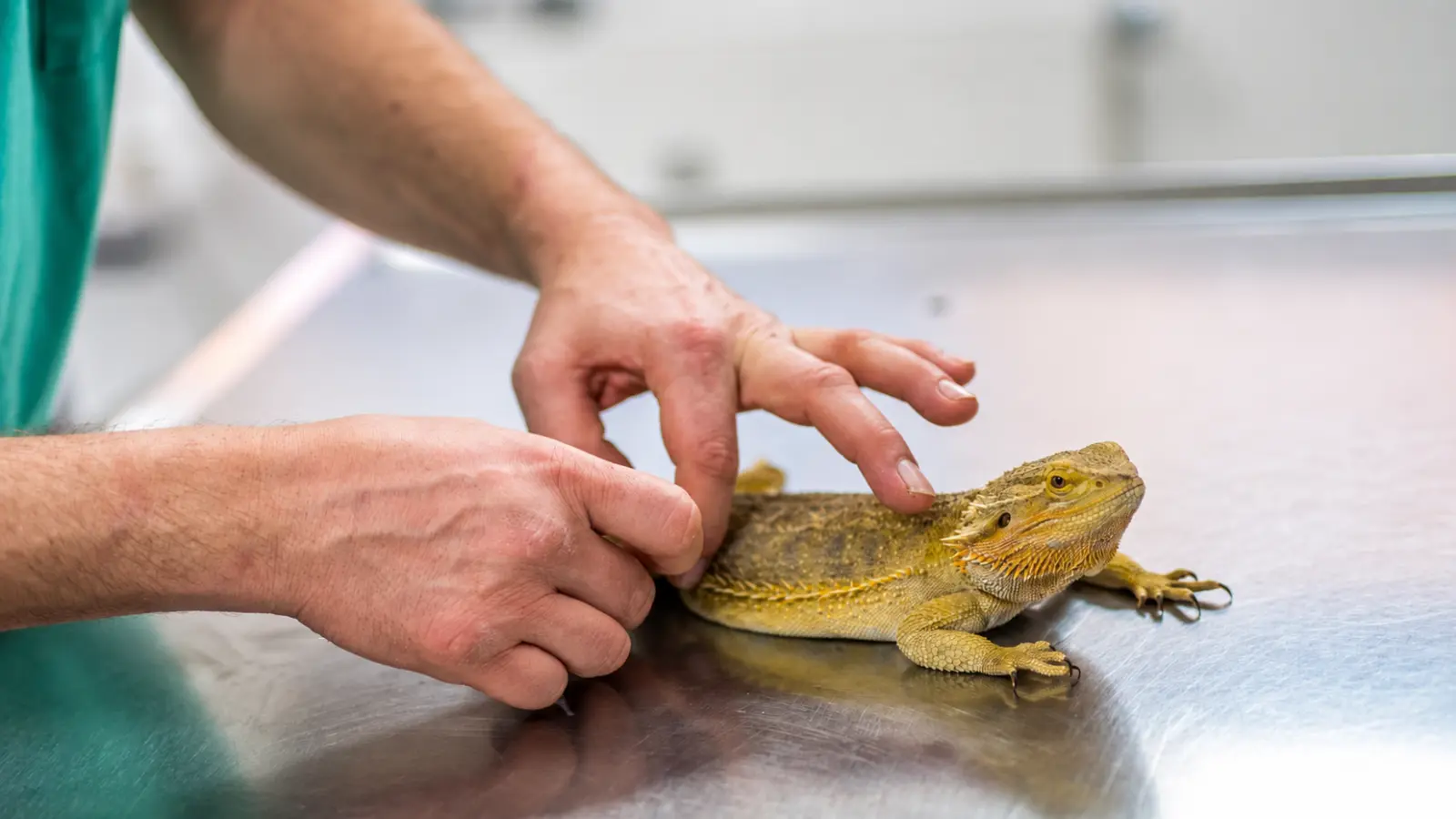
Veterinary care is not only for visible illness or injury. Preventive visits help establish a baseline, cover nutrition and lifestyle, review vaccine and parasite needs where relevant, and address changes before they become harder to manage.
Before bringing an animal home, identify a veterinarian who treats that species. This matters most for rabbits, birds, reptiles, amphibians, fish, and small mammals, which often need a veterinarian with specific experience that may not be available at every clinic.
There is no single schedule for every pet. A puppy, senior cat, indoor rabbit, outdoor dog, and pet snake should not follow the same plan. Ask your veterinarian which exams, vaccines, and parasite prevention fit your pet’s species, age, location, lifestyle, and health, and keep a simple file with records, medications, and notes from visits.
Know Which Changes Should Not Be Ignored
You do not need to diagnose a pet at home. You do need to know when something is outside your pet’s usual pattern. Contact a veterinarian promptly if you notice a significant or persistent change in appetite, drinking, energy, movement, breathing, stool or droppings, urination, skin, shell, feathers, coat, balance, or behavior. When you call, say when it started, whether it is improving or worsening, and what has changed in diet, environment, or products.
When urgent care matters: Sudden collapse, trouble breathing, seizure activity, major bleeding, severe injury, possible urinary blockage, or suspected toxin exposure needs urgent veterinary guidance. Keep the pet safe, do not give human medications, do not induce vomiting unless a professional tells you to, and avoid improvised home treatment. Call your veterinarian, an emergency clinic, or the ASPCA Animal Poison Control Center at (888) 426-4435, which is staffed around the clock (a consultation fee may apply).
The PETLORE Pet Safety & Emergency page provides broader emergency guidance. This article provides general information and is not a substitute for veterinary diagnosis or treatment.
Identification and Emergency Planning Protect Pets
Pets can get lost during ordinary routines, moves, storms, home repairs, travel, or emergencies. Identification is part of everyday ownership, not a task for later.
For animals that can wear them safely, keep a collar and ID tag current. If a pet is microchipped, keep the registration details current as well. Keep recent photos, veterinary information, medication details when applicable, and emergency contacts in one easy-to-find place.
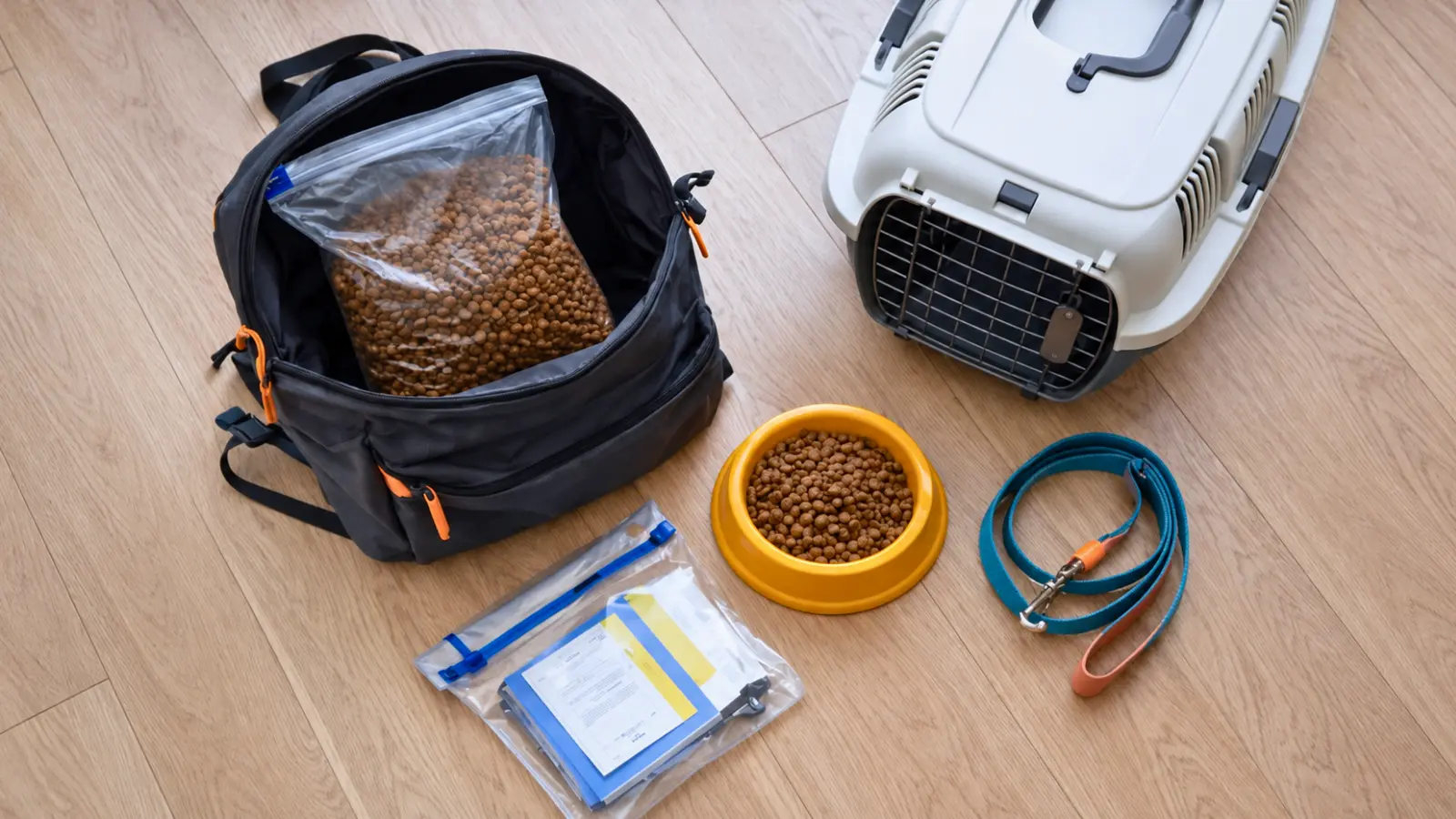
Your emergency plan should name a backup caregiver, identify safe transport equipment, and list the food, water, medication, and records you may need to take. Plan where you and your pet would stay if you had to leave home, since many evacuation shelters do not accept pets. Also find out which nearby emergency clinic can see your type of animal after hours, because not every clinic treats birds, reptiles, or small mammals. Planning does not predict a crisis; it makes one less chaotic.
Plan for the Full Commitment
Responsible care includes the less visible parts: replacement supplies, habitat maintenance, boarding or backup care, routine veterinary visits, unexpected illness, aging, and changes in housing or work. Lifespans range from a few years for some small rodents to many decades for some birds and reptiles, and a long-lived pet can outlast its owner’s current circumstances. A pet is a long-term responsibility, not a short-term purchase.
Make room in your budget for ordinary care and plan for unexpected costs, whether through a dedicated savings cushion or, where it is available for your species, pet health insurance. A cost-planning tool can help you see the full picture before you commit. Consider who would care for the animal if your circumstances changed, or if you could no longer do it yourself. The goal is not to predict every problem. It is to avoid being surprised by responsibilities that were always part of bringing an animal home.
Start With the Right Guide for Your Pet
This article gives the foundation, but each animal needs more specific guidance. Start with the guide that matches your pet:
- How to Take Care of a Dog
- How to Care for a Pet Cat
- How to Care for a Pet Turtle
- How to Take Care of a Pet Snake
- How to Care for a Pet Rabbit
- How to Take Care of a Pet Bird
- How to Take Care of a Pet Hamster
- How to Care for a Pet Gerbil
- How to Care for a Pet Iguana
If your pet is not listed, ask a veterinarian who treats that species for reliable, species-specific guidance before relying on general advice.
Good Pet Care Starts With Understanding Your Pet
Responsible pet care is not about following one universal checklist. It means understanding your animal’s individual needs, providing a safe and suitable environment, maintaining dependable routines, and recognizing when professional veterinary guidance is needed. Small, consistent actions often make the biggest difference in everyday comfort and well-being.
Whether you’re preparing for your first pet or improving the care of an animal already in your home, start with the fundamentals and continue learning about your pet’s specific species, age, health, and behavior. The goal is not perfect ownership—it is informed, attentive, and responsible care throughout your pet’s life.
Frequently Asked Questions
What are the basic needs of a pet?
Every pet needs species-appropriate food, access to suitable water, safe housing, regular cleaning, and opportunities for natural behaviors. Exercise, enrichment, social interaction, and environmental conditions vary considerably between dogs, cats, birds, reptiles, fish, and small mammals. Responsible pet care also includes daily observation, preventive veterinary care, and planning for the animal’s entire lifespan.
How do you take care of a pet every day?
Start with a consistent routine that includes appropriate feeding, water checks, cleaning, and species-specific exercise or enrichment. Observe your pet’s appetite, activity, behavior, breathing, and waste for changes from its normal pattern. Some animals also require daily temperature, humidity, or water-quality monitoring. Adjust the routine to the species, age, health, and individual needs rather than following one universal pet care checklist.
What should first-time pet owners know before getting a pet?
Research the animal’s adult size, expected lifespan, diet, housing, temperament, social needs, and veterinary requirements before bringing it home. Consider whether your household can realistically provide the time, space, money, and long-term commitment involved. Prepare the environment in advance and identify a veterinarian who treats that species. A small or inexpensive animal is not necessarily easier to care for.
Do indoor pets need regular veterinary care?
Yes. Living indoors does not eliminate the risk of illness, injury, dental problems, nutritional deficiencies, or age-related health conditions. Preventive veterinary visits help establish a health baseline and identify concerns that may not be obvious during daily observation. The appropriate examination schedule, vaccinations, and parasite prevention depend on the animal’s species, age, health, environment, and individual risk factors.
How can you tell if your pet is sick or needs veterinary attention?
Watch for unusual changes in appetite, drinking, energy, breathing, movement, waste, appearance, or behavior. Contact a veterinarian promptly about significant or persistent changes, even when the cause is unclear. Difficulty breathing, collapse, seizures, severe injuries, suspected poisoning, or an inability to urinate can require immediate emergency care. Never give human medications or attempt home treatments without professional guidance.
Can small pets be easier to care for than dogs or cats?
Not necessarily. Rabbits, rodents, birds, reptiles, and fish can have specialized dietary, housing, environmental, and veterinary requirements despite their smaller size. Some need carefully controlled temperatures, large enclosures, specialized lighting, compatible companions, or regular water-quality testing. Compare each species’ daily workload, lifespan, ongoing expenses, and access to qualified veterinary care before assuming a smaller pet will be easier.