
Pet safety at home starts with recognizing everyday hazards before they become emergencies. Human medications, toxic foods, household cleaners, electrical cords, unsecured windows, and small objects can put animals at risk, even in homes that seem completely safe. The most effective prevention usually involves keeping dangerous items inaccessible, securing potential escape routes, and checking your surroundings regularly.
However, a safe home looks different for every pet. A curious puppy may chew electrical cables, a cat may reach toxic plants on a countertop, a rabbit may explore narrow spaces, and a bird may be exposed to harmful household fumes. Reptiles, fish, and other habitat-dependent animals have additional safety requirements involving temperature, ventilation, equipment, and enclosure security.
This guide explains how to identify common household hazards, pet-proof different areas of your home, prevent escapes and accidental injuries, and prepare essential information and supplies for emergencies. You’ll also learn when a situation requires immediate veterinary attention and why species-specific safety precautions are essential.
Start With a Pet’s-Eye Home Scan
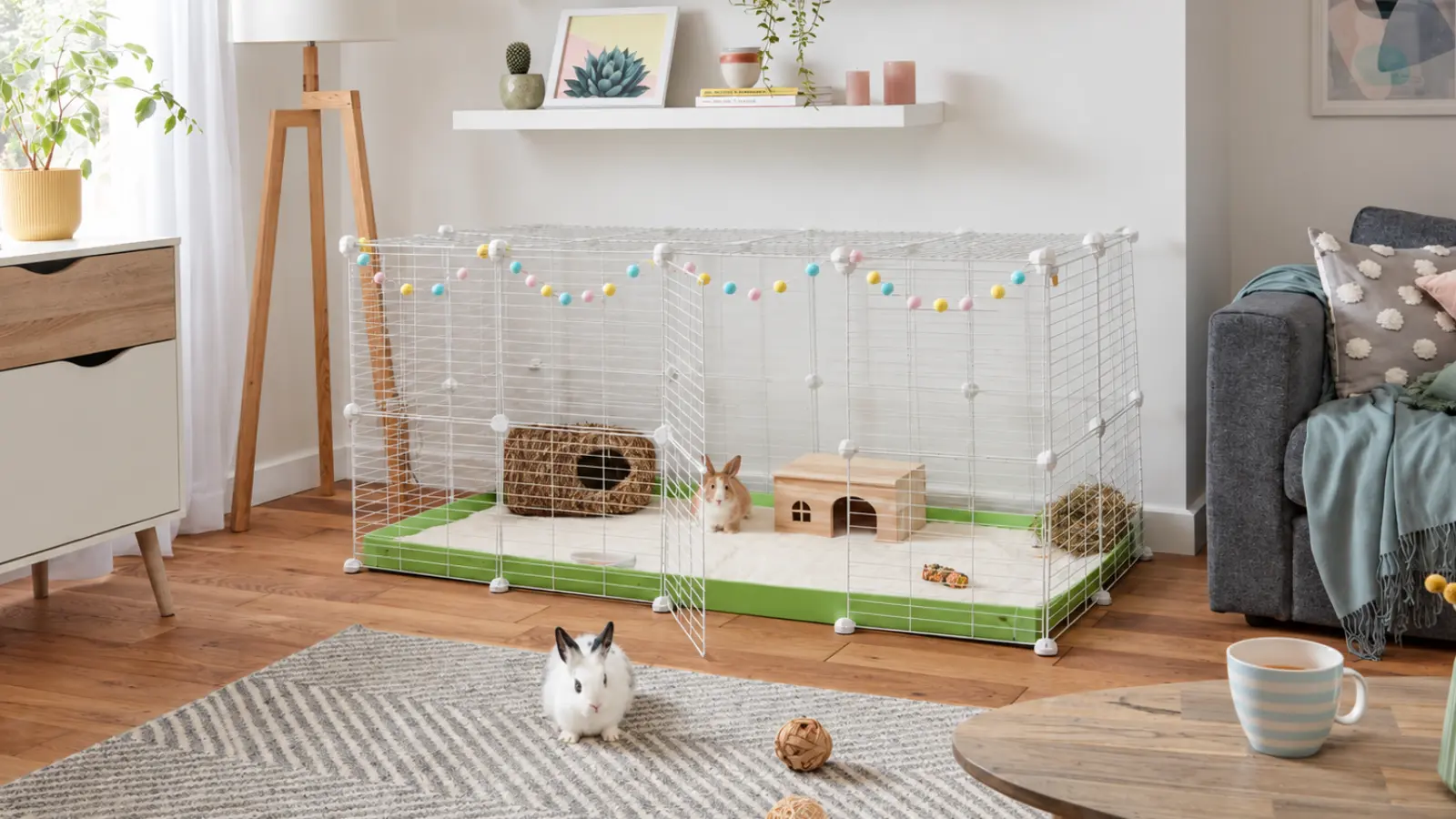
Pet-proofing works best when you look at the home from the animal’s level and habits. Get down to floor height, or watch where your pet climbs, and ask what it could chew, swallow, knock over, squeeze behind, open, or become trapped in. Then repeat the scan for each animal in the household, because a hazard in reach of a dog may be well above a rabbit’s head but right in its exploring zone.
Age and health change the scan. Young animals tend to investigate more, while older pets or pets with limited vision, hearing, or mobility may need clearer routes and fewer obstacles. A newly adopted animal is often safer in a prepared, supervised area while you learn what it investigates. Repeat the scan after a move, a new pet, a habitat change, or a home project, and give storage, doors, and equipment a quick monthly look.
Never assume something is safe because another species tolerates it. Food, plants, products, and enclosure materials can all be species-specific. When you are unsure, block access first and check guidance for your animal before treating the item as safe.
Common Household Hazards
You do not need to memorize every toxin. You need to recognize the categories that most often become accessible and store them securely. Over-the-counter and human prescription medications have topped the ASPCA Animal Poison Control Center’s list of common pet toxins, followed by foods, plants, and household products. Keep products in their original containers so the label is available to a veterinary professional.
| Category | Examples to Know | Safer Habit | Why Species Still Matters |
|---|---|---|---|
| Medications and supplements | Over-the-counter pain and cold medicines, antidepressants, vitamins, prescription drugs | Closed cabinet or container; pick up dropped pills at once; never give a human medication unless a vet directs it | Human and veterinary medicines are not interchangeable between animals |
| Human food and drinks | Chocolate (darker is more dangerous), grapes and raisins, onions and garlic, alcohol, xylitol in gum, baked goods, and some peanut butters | Keep food, gum, and trash off counters and in lidded bins | Risk depends on the ingredient, amount, and species; this list is mainly about dogs and cats |
| Plants and garden products | Lilies (especially severe in cats), tulips, azaleas, bulbs, fertilizers | Identify a plant before bringing it home; keep cuttings, bulbs, and garden products out of reach | A common name does not confirm safety for every pet; check a species-specific plant list |
| Cleaners, paint, and pest baits | Cleaners, laundry products, paint, adhesives, fireplace logs, rodent and insect baits | Store latched; keep pets out of the room during use; follow the label | Exposure can happen by swallowing, skin contact, or fumes, depending on product and pet |
| Small objects and batteries | Coins, batteries, hair ties, fasteners, toys, packaging | Sweep up dropped items and keep these in closed containers | Chewing and swallowing risk depends on the animal’s size and behavior |
| Fumes and sprays | Overheated non-stick (PTFE) cookware, aerosols, air fresheners, candles, paint fumes | Ventilate, avoid overheating non-stick pans, and keep sprays and candles away from where a bird lives | Birds are especially sensitive to airborne irritants; ask an avian vet about your household |
Do not use a generic online list to decide that an exposure is harmless. Even products labeled non-toxic can still cause problems, and a plant’s listing as non-toxic does not mean eating it is safe. If you suspect poisoning, prevent further exposure if you can do so safely and contact your veterinarian, an emergency veterinary clinic, or the ASPCA Animal Poison Control Center at (888) 426-4435 immediately. Do not induce vomiting, give human medications, or attempt home remedies unless a veterinary professional specifically instructs you to. Keep the product packaging or plant identification available for the veterinary team. If your pet has difficulty breathing, collapses, or experiences seizures, seek emergency veterinary care immediately.
Where Hazards Hide: Room by Room
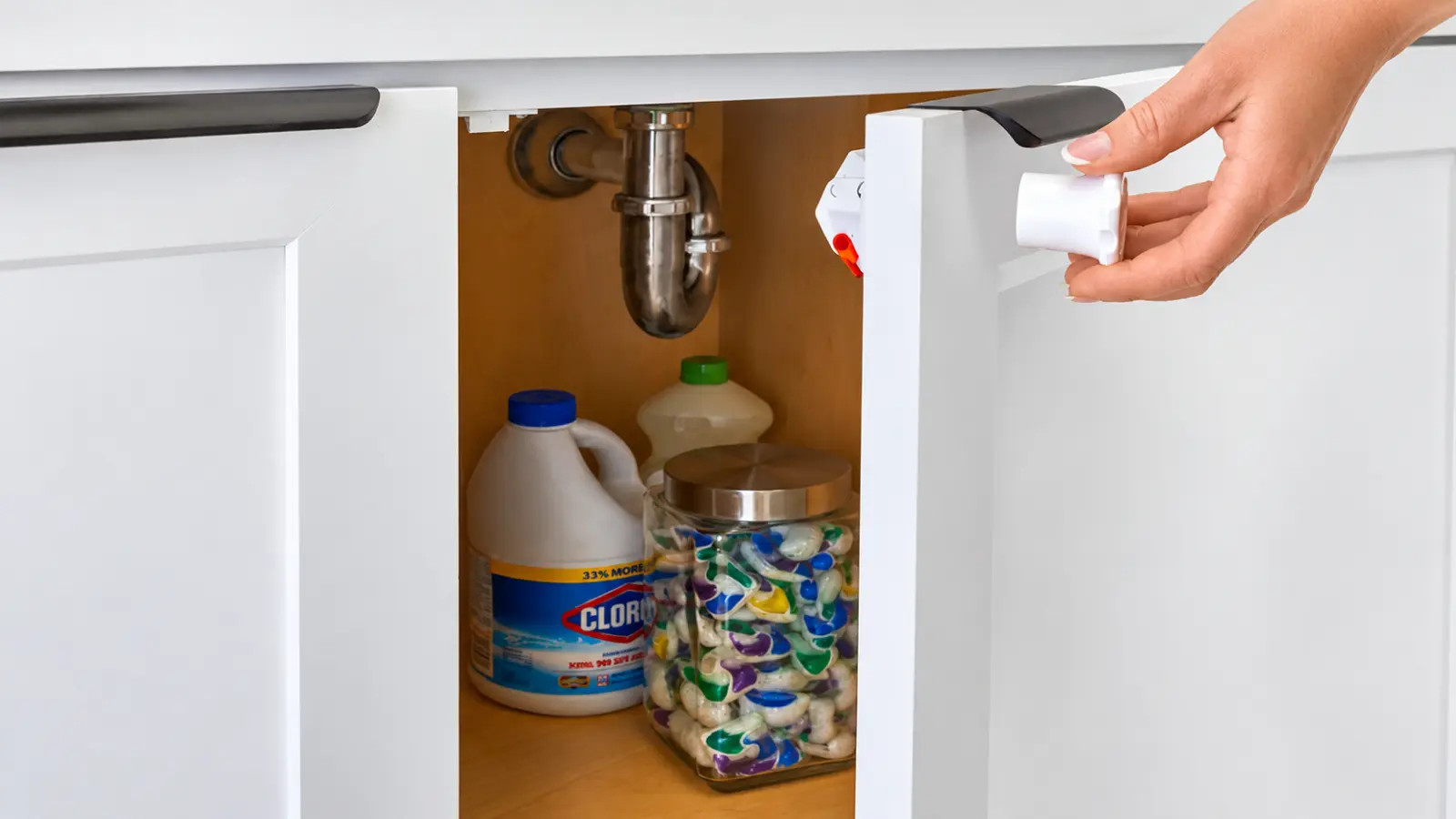
The risks change with the room and the time of day, so check them where they actually occur. Put high-risk items away the moment you finish using them instead of leaving them out for a minute, especially while unpacking groceries, cleaning, repairing, or getting children ready for school.
- Kitchen: Food scraps, sharp packaging, hot appliances, and trash. Use a lidded or latched bin and keep food off counters
- Bathroom: Medications, razors, cosmetics, and cleaners. Keep the door closed and medications in a closed cabinet
- Laundry room and garage: Detergent products, dryer sheets, chemicals, tools, and automotive products. Latch cabinets and check inside machines before starting them, because small pets can climb in or hide behind them
- Living areas: Cords, chargers, small toys, houseplants, and recliner or sofa mechanisms. Route cables out of reach and block gaps where an animal could be trapped
- Home projects: Paint, adhesives, and fasteners. Keep pets in a closed, ventilated-off room during the work and confirm where each animal is before opening doors to workers or deliveries
Doors, Windows, Cords, and Escape Prevention
Home safety is not only about toxins. Escapes, falls, entanglement, and collisions happen when a pet’s normal movement is not considered.
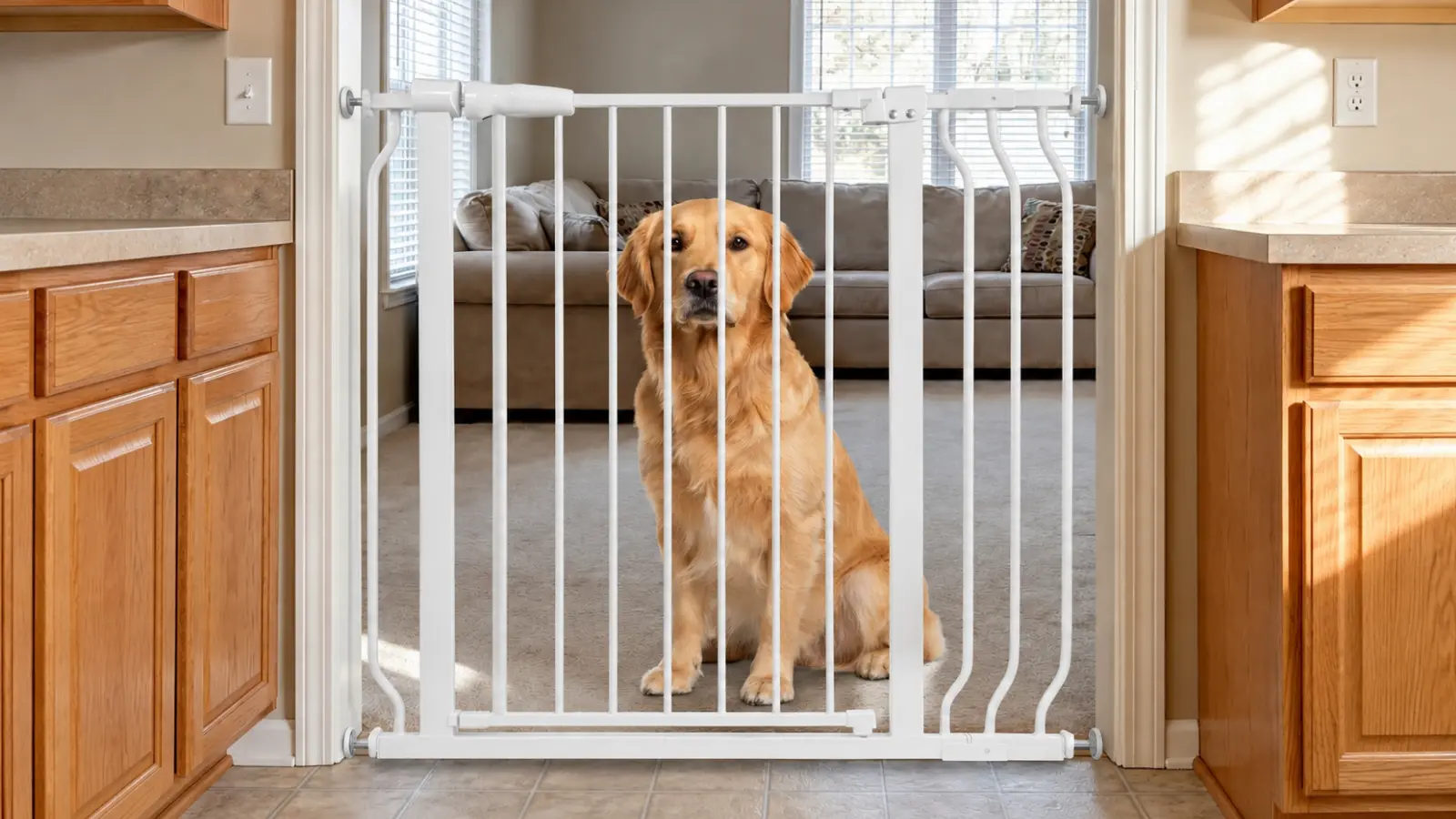
- Doors and entryways: Create a pause point before exterior doors open, such as a gate, a closed interior door, a leash, or a carrier, so deliveries and visitors do not trigger a dash
- Windows and balconies: Keep openings secured. An ordinary screen is not a restraint, so use an appropriate barrier and supervise access to elevated spaces
- Cords and chargers: Route or protect cables where a chewing, climbing, or exploring pet cannot reach them, and retire damaged cords
- Small spaces: Block access behind appliances, recliners, and open cabinets where an animal could be trapped or injured
- Visitor routines: Tell guests, service workers, and children which doors, rooms, and habitats must stay closed
Treat identification as a second layer, not a replacement for secure handling. Keep tags readable, keep microchip registration current, and keep recent photos that show each animal clearly. In a multi-pet home, a photo of each pet with the relevant person can make a separation easier to explain in a stressful moment.
Heat, Air Quality, and Habitat Security
Temperature safety is not one rule for all pets. Dogs and cats can be harmed by heat or cold even with a fur coat, birds and small mammals can be sensitive to drafts and rapid changes, and reptiles, amphibians, and fish depend on species-specific conditions. A room that feels comfortable to you may not suit your animal. Your pet’s care guide sets the targets for heating, cooling, shade, ventilation, and monitoring.
Never leave a pet in a parked vehicle. The AVMA notes that the inside of a vehicle can rise nearly 20 degrees Fahrenheit in 10 minutes, even on a day that does not feel hot to you, and that cracking the windows makes little difference. Keep pets away from unguarded heat sources, open flames, hot surfaces, and unsafe cords. If weather, a power outage, or a heating failure could affect your animal, decide in advance where it can be moved and what carrier or equipment you would need.
Air quality matters most for birds. Overheated non-stick coatings and aerosol sprays are widely recognized as serious inhalation risks for pet birds, so keep birds out of the kitchen while cooking and keep sprays, candles, and air fresheners away from where they live. Enclosures, cages, terrariums, and aquariums also need their own check: confirm that doors, lids, latches, stands, cords, tubing, filters, and lights are secure against the animal’s normal behavior and still meet its needs for space, airflow, temperature, light, and water quality. The exact standards belong in the species guide.
Be Ready Before You Need Help
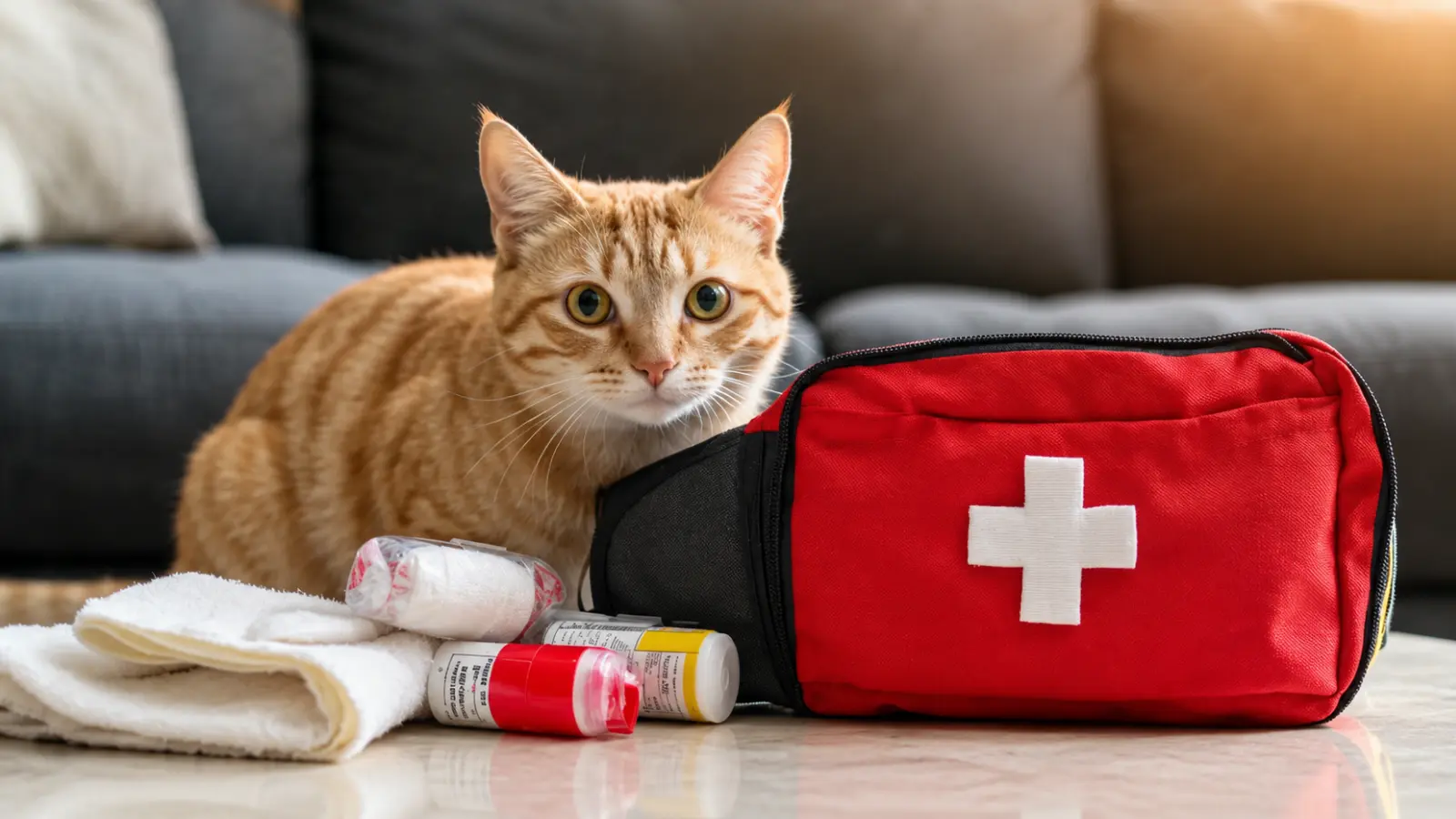
Readiness is mostly information and equipment kept in one place that every adult in the household can reach. Review it after a move, a new veterinarian, a new medication, or a change in contact details. A short checklist is enough to start:
- Veterinarian and emergency-clinic contacts, saved in your phone with a printed backup, so you can call ahead instead of searching while stressed. Confirm which clinic treats your type of animal after hours
- Current photos and identification details, including microchip registration, to help locate a pet that gets separated from you
- A medication and medical summary, kept with the carrier or kit, so professionals and backup caregivers have accurate context
- A backup caregiver and transport plan, so someone knows who handles each pet, which carrier to use, and how you would travel
For a larger disruption such as a storm, fire, or evacuation, plan for pets and people together. The ASPCA and Ready.gov recommend a portable kit with food, water, medications, medical records, a first-aid kit, and a sturdy carrier for each pet, plus a designated caregiver. Many public shelters and hotels do not accept pets, so decide where you would go before you need to. A plan works better when the household has practiced who does what.
First-Aid Kit Boundaries and Safe Transport
A pet first-aid kit supports safe, temporary preparation while you contact or travel to veterinary care. It is not a substitute for diagnosis, professional treatment, or a species-specific emergency plan. Ask your veterinary team which supplies suit your pet, especially before adding any medication or topical product, and avoid stocking the kit with human medicines or internet-recommended treatments. Even familiar products can be unsafe for a particular animal.
Plan transport while your pet is healthy. For many small pets, that means a secure, species-appropriate carrier. For larger pets, it may mean a harness, leash, crate, or vehicle setup that suits the individual. Practice calm carrier entry when nothing is wrong, for example by leaving the carrier open and feeding treats near it. In an emergency a frightened or painful animal may behave differently than usual, so protect yourself as well as the pet and call ahead for instructions when you can.
If Something Goes Wrong
Suspected poisoning and breathing difficulties require immediate veterinary attention, as outlined earlier in this guide. For other safety incidents, the goal is to get professional guidance quickly while keeping everyone safe, not to treat the problem at home.
| Situation | Do Now | Do Not |
|---|---|---|
| Injury or burn | Move away from the hazard only if it is safe, handle the pet as little as possible, and call a veterinary professional for the next step | Do not assume the pet will tolerate handling, or apply treatments no one has recommended |
| Escape or missing pet | Secure your other pets, use a current photo, and contact local shelters and your microchip registry while you search | Do not leave doors, enclosures, or other animals unsecured while responding, or create a traffic risk |
| Sudden illness or unusual behavior | Put the pet in a quiet, safe area, note what you see and when it started, and call your veterinarian or an emergency clinic | Do not diagnose from a checklist or give any medication without veterinary direction |
The full response steps belong in the separate Pet Safety & Emergency guide. This article provides general pet-care information and is not a substitute for veterinary diagnosis or treatment.
Continue With the Right Care Guide
General prevention makes a home safer, but it cannot list every hazard for every animal. Before deciding that a food, plant, material, or temperature setup is safe, read the guide for your pet’s species. For the everyday routines that make prevention possible, see Pet Care Advice and How to Create a Pet Care Schedule That Works.
- How to Take Care of a Dog
- How to Care for a Pet Cat
- How to Care for a Pet Rabbit
- How to Take Care of a Pet Bird
- How to Take Care of a Pet Hamster
- How to Care for a Pet Gerbil
- How to Care for a Pet Turtle
- How to Take Care of a Pet Snake
- How to Care for a Pet Iguana
- How to Care for a Pet Fish
Make Pet Safety Part of Your Everyday Routine
Keeping your pet safe at home is not about eliminating every possible risk in a single afternoon. It is about recognizing the hazards your animal may encounter, preventing access to dangerous items, securing your home and habitat, and reviewing safety measures as your pet’s behavior and needs change. Small, consistent precautions can help prevent serious accidents before they happen.
Start with the areas your pet uses most, then extend your safety checks throughout the household. Keep veterinary contacts, identification details, and appropriate transport supplies ready, and make sure everyone responsible for your pet understands the plan. Above all, remember that different animals face different risks, so combine general home-safety practices with reliable guidance for your pet’s species.
Frequently Asked Questions
How do you make your home safe for pets?
Start by checking each room for anything your pet could chew, swallow, knock over, escape through, or become trapped in. Secure medications, cleaning products, electrical cords, trash, plants, and small objects behind appropriate barriers. Protect doors, windows, balconies, and enclosures, and adjust precautions to your pet’s species, size, age, and behavior. Repeat the safety check whenever your household or pet’s needs change.
What are the most common household hazards for pets?
Common hazards include human medications, toxic foods, poisonous plants, cleaning chemicals, pest-control products, batteries, and small swallowable objects. Electrical cords, unsecured windows, hot surfaces, and household fumes can also cause serious injuries. Some risks are highly species-specific, such as lilies for cats and overheated nonstick cookware fumes for birds. Store potentially dangerous items securely and verify safety for your particular animal.
What should you do if your pet eats something poisonous?
Contact your veterinarian, an emergency veterinary clinic, or an animal poison control service immediately, even if your pet has no symptoms. Identify the substance, estimate the amount involved, and keep its packaging or plant information available. Do not induce vomiting, give human medications, or try home remedies unless a veterinary professional specifically instructs you to. Difficulty breathing, collapse, or seizures require immediate emergency veterinary care.
Are window screens enough to prevent pets from escaping or falling?
No. Ordinary window screens are not designed to withstand an animal pushing, climbing, or leaning against them. Use secure, pet-appropriate barriers and restrict unsupervised access to open windows, balconies, and elevated areas. Check doors, gates, and enclosure latches regularly, and keep identification tags or microchip registration information current in case your pet escapes.
How can you keep birds, reptiles, and small pets safe at home?
Start with a secure, species-appropriate enclosure that provides the correct space, ventilation, temperature, lighting, and environmental conditions. Birds need protection from smoke, aerosols, and overheated nonstick cookware fumes, while reptiles may depend on carefully controlled heat and humidity. Small mammals need protection from unsafe bedding, chewable cords, escape routes, and household chemicals. Never assume that precautions suitable for dogs or cats are sufficient for other animals.
What should be included in a pet emergency preparedness kit?
Keep a species-appropriate carrier, essential food and water, necessary medications, veterinary records, identification information, and a first-aid kit with supplies approved by your veterinarian. Include emergency veterinary contacts, a recent photo, and written care instructions for a backup caregiver. Store everything where it can be accessed quickly, and check supplies and contact information regularly. A preparedness kit supports safe evacuation and transport but does not replace professional veterinary care.