
The easiest pets to take care of aren’t necessarily the smallest or quietest animals. For many households, a healthy adult cat may be more manageable than a dog because it doesn’t need daily walks. Hamsters and gerbils can also be practical choices for some people, but their housing, behavior, social needs, and veterinary care require more attention than beginners often expect.
A low-maintenance pet is not a pet that can be left alone without proper care. Every animal needs suitable food, a safe environment, regular cleaning, enrichment, and appropriate veterinary attention. The real difference is how those responsibilities fit your schedule, living space, budget, and experience.
This guide compares several commonly considered easy pets, explains what makes adult cats, hamsters, and gerbils manageable for certain households, and explores why fish, reptiles, rabbits, and birds can be more demanding than they appear. You’ll also learn what to consider before choosing an animal for yourself or your family.
What “Easy” Should Mean
An easy pet is not an animal you can ignore. A more useful definition is an animal whose routine, space, cost, cleaning, and lifespan are realistic for your household. The effort shows up in five places, and every pet concentrates it differently:
- Daily time: feeding, observation, interaction, and exercise
- Cleaning: litter, bedding, droppings, water, cages, or tanks
- Setup: housing, heat, filtration, and secure enclosures
- Money and vet access: recurring costs and a veterinarian who treats the species
- Years: adult size and how long the animal will need you
A cat’s work is mostly litter and play. A fish’s is water quality. A reptile’s is heat and humidity. A hamster’s is a secure enclosure and a night-shift animal. That is why one list cannot fit every home: a person who works from home but sleeps lightly, a renter with a strict pet policy, and a family with a toddler would each need a different answer.
Which Pets Tend to Be More Manageable
Adult cats, hamsters, and gerbils are the animals most often suggested as manageable first pets for the right home. Each has a real advantage and a catch worth knowing before you commit.
| Pet | What Makes It Easier | Where the Work Still Is | Check Before You Commit |
|---|---|---|---|
| Adult cat | No outdoor walks; size and temperament are already visible | Daily litter care, play, scratching and climbing outlets, preventive vet care | Lease rules, household allergies, backup care for travel, a commitment of many years |
| Hamster | Compact housing; little floor space needed | Secure enclosure, deep bedding, cleaning, gentle handling, evening and overnight activity | Species-specific social needs, short lifespan, CDC rodent caution, a vet who sees exotic mammals |
| Gerbils | Compact compared with a dog or rabbit setup; active and entertaining to watch | A compatible pair, deep bedding for burrowing, a secure lid, chewing enrichment | Risky adult introductions, short lifespan, CDC rodent caution, a vet who sees exotic mammals |
Even within these three, the individual animal and your household can change the answer. A pet that suits one home can be a poor match for another, and none of them is maintenance-free.
Adult Cats: Easier Than a Dog, Not Easy
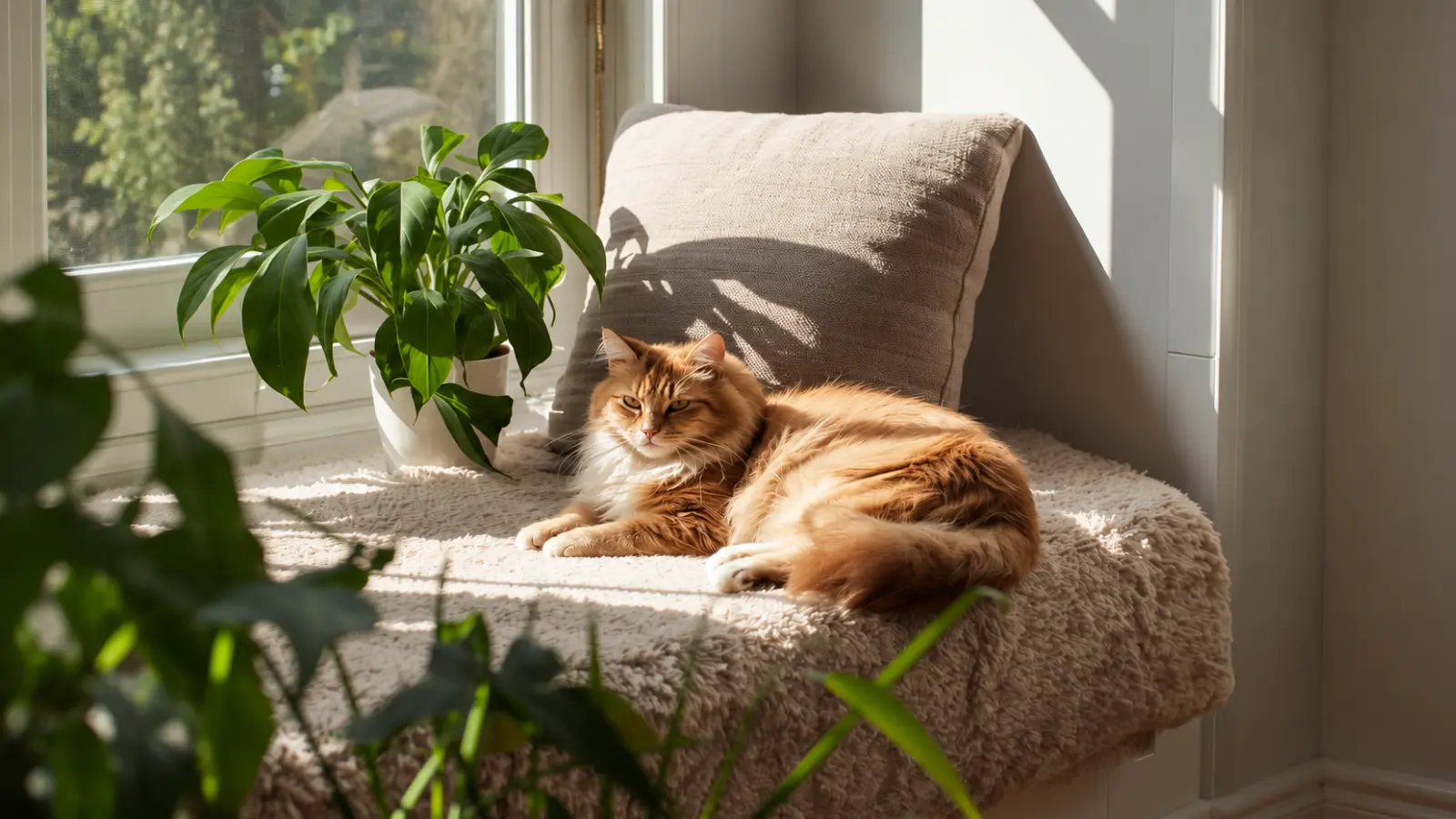
An adult cat can be a more manageable companion than a puppy or a high-energy dog because the routine does not revolve around walks and housetraining. Adults also show you more of what you are getting. Size, energy level, and temperament are easier to read than in a kitten, and a shelter can often share an adult cat’s history.
The work moves indoors. Cats need clean litter resources, species-appropriate food and water, daily play, scratching surfaces, places to climb or hide, and preventive veterinary care. In a home with more than one cat, separate resources and gradual introductions matter. Cats also live for many years, so even a manageable cat is a long commitment.
Hamsters: Small Footprint, Night Shift
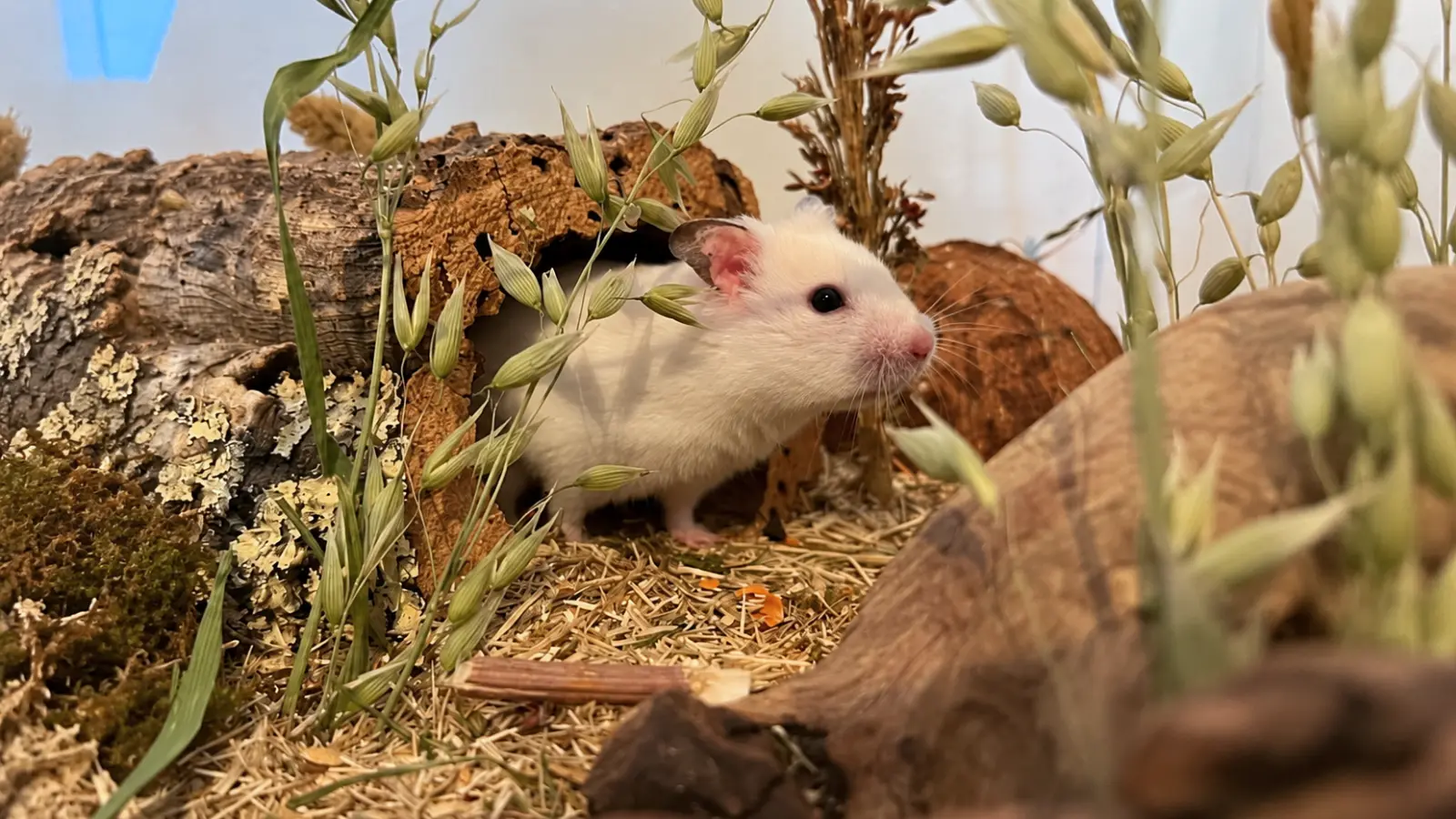
Hamsters are small, but their care is not trivial. They need a secure enclosure with room to burrow, appropriate bedding and chew items, regular cleaning, gentle handling, and a veterinarian willing to see small exotic mammals. AVMA guidance advises finding a vet who specializes in rodents when possible.
Their rhythm is the main surprise. Veterinary and humane-society guides generally describe hamsters as most active in the evening and overnight, and a wheel running at midnight can bother light sleepers. Sources differ somewhat on daytime activity, so ask when the particular animal is active. Waking one suddenly can lead to nipping.
Social needs depend on the species. Syrian hamsters should live alone. Some dwarf species can occasionally share a home but must be watched closely for fighting, so never assume co-housing works. Hamsters also live only a few years, which is worth discussing with a child before bringing one home.
Gerbils: Social, Active, and Not Mini Hamsters

Gerbils differ from hamsters in ways that change the whole setup. Veterinary guidance describes them as highly social and recommends compatible pairs, ideally same-sex pairs from the same litter. Introducing two adult gerbils that have never met is where fighting often begins, so starting with an established pair is the safer path. Gerbils are generally described as active during the day, which suits some households better than a nocturnal hamster.
Their enclosure has to support burrowing, chewing, and movement, with a secure lid, because they are good at escaping. Cleaning calls for some care: gerbils rely on familiar scents, so replacing every bit of bedding at once can stress them. They are not a simpler version of a hamster, and they share the same short lifespan and CDC rodent caution.
Pets That Only Look Low-Maintenance
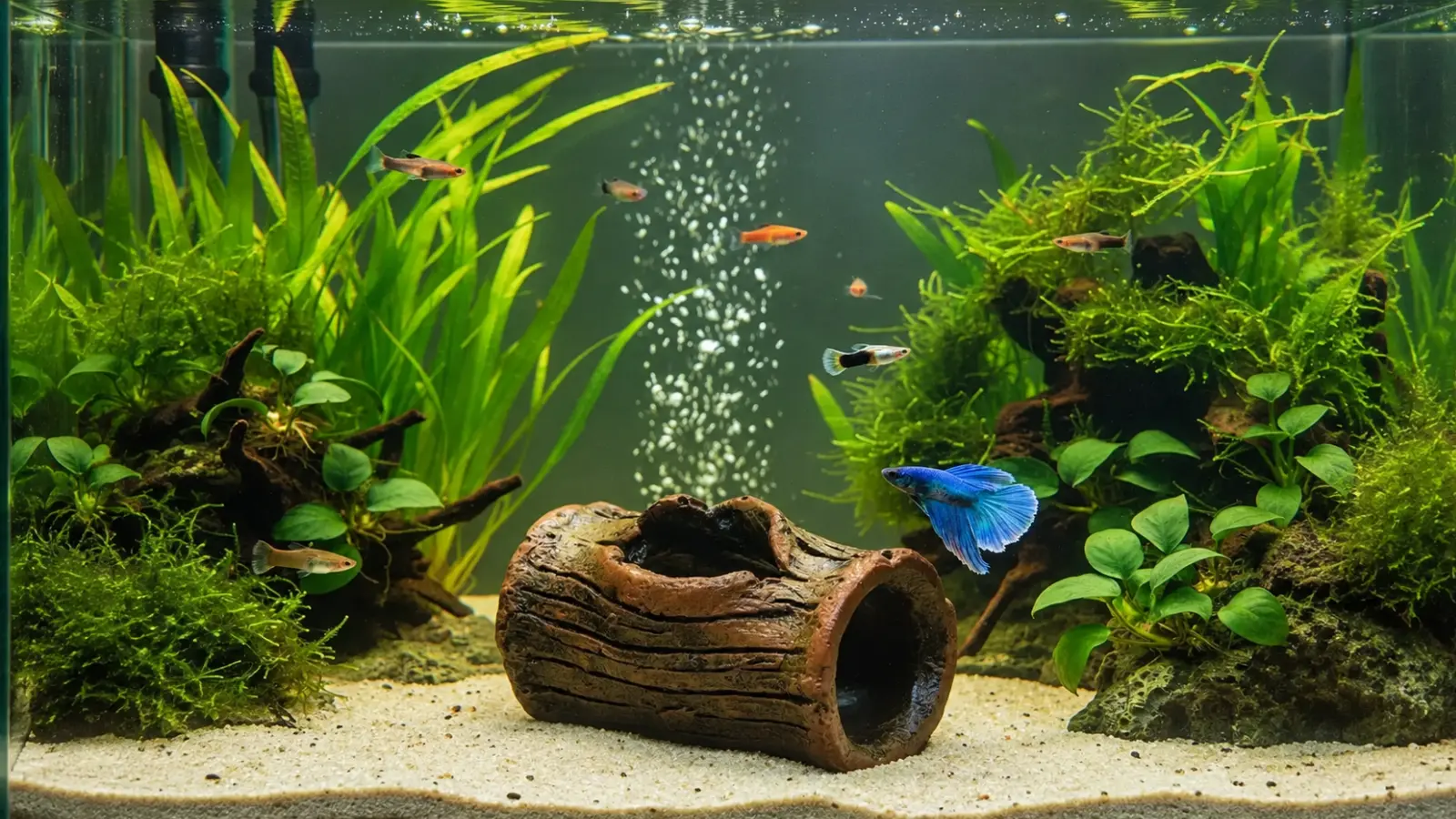
A pet can look easy because it is quiet, small, or does not need a walk. In many cases the work shifts from visible interaction to technical habitat care, specialized diet, or environmental management.
Fish
An aquarium is a living system. Cycling the tank, filtration, water quality, temperature, feeding, and species compatibility all affect the animals, and a freshwater community tank and a marine setup are very different commitments. Some fish cannot share a tank; the CDC notes that male bettas will fight. Fish can also carry germs, so wash your hands after handling the tank or its equipment. On the plus side, the CDC notes that fish can suit people who are allergic to other pets.
Reptiles and Amphibians
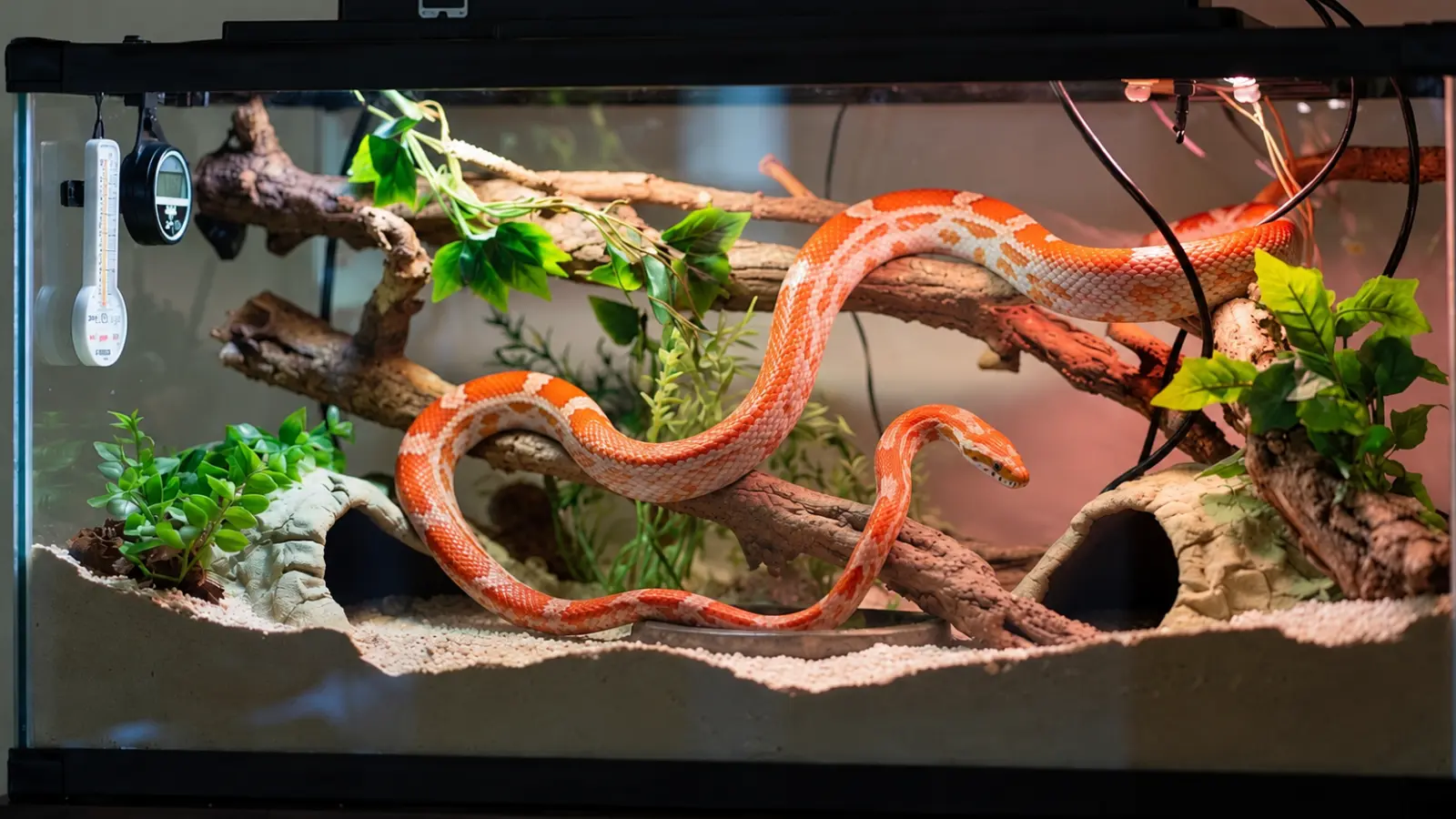
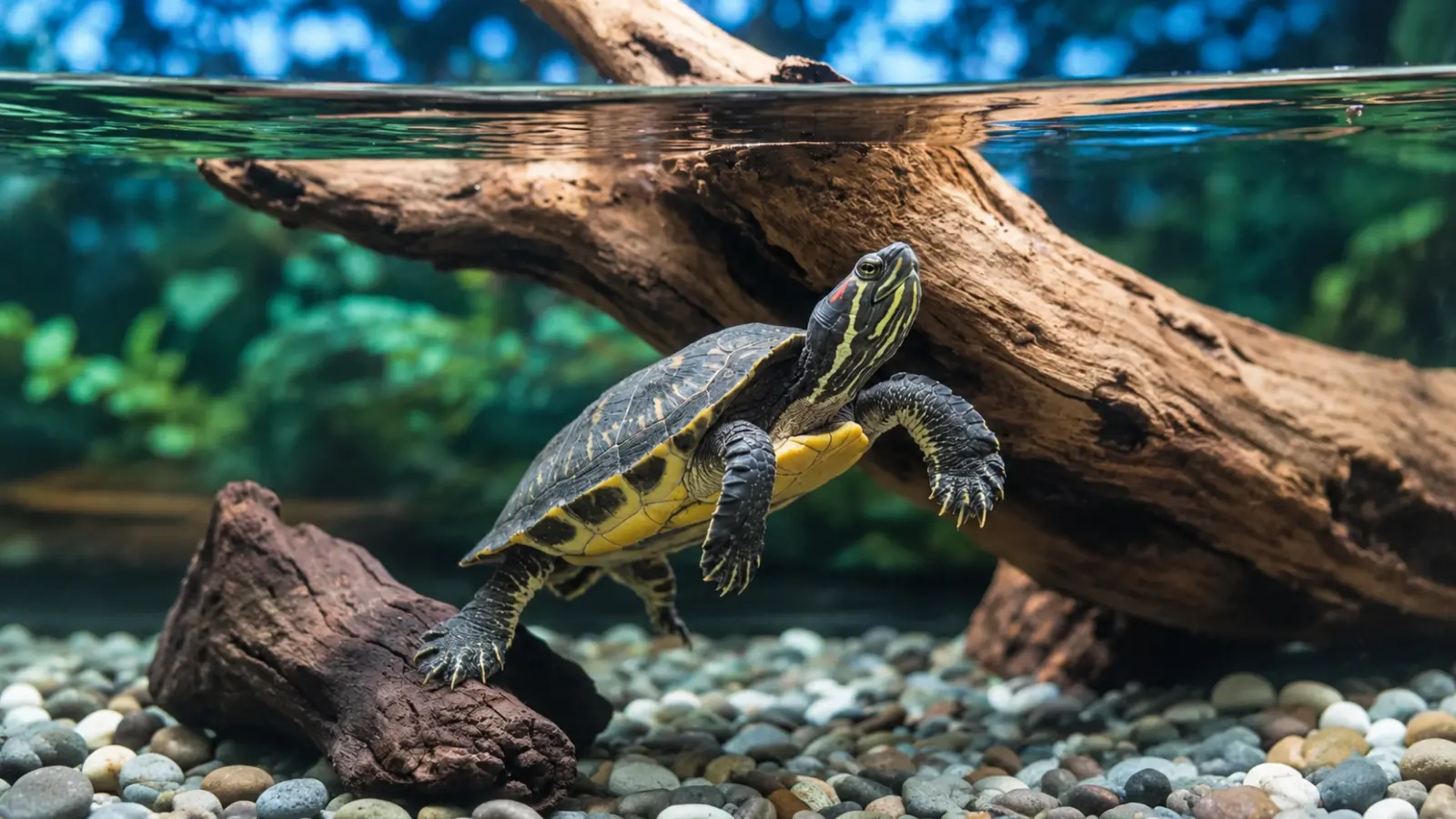
Reptiles and amphibians depend on species-specific heat, light, humidity, diet, and enclosure design, and there is no generic setup. The CDC says they are more likely than other pets to carry Salmonella, even when healthy, and does not recommend them for children under 5, adults 65 and older, or people with weakened immune systems. Most pet snakes eat whole prey, and feeder rodents can carry germs too. Selling turtles with a shell under four inches is illegal in the U.S. because of Salmonella risk.
Rabbits and Birds
Rabbits need far more room than a small cage suggests, a hay-based diet, a rabbit-proofed home, and a veterinarian with rabbit experience. Birds need daily social interaction, clean air away from household fumes, a steady sleep schedule, and a species-appropriate cage or aviary. Some birds are loud, and some live for decades. Neither is a starter pet by default.
Match the Pet to Your Situation
The same animal can be easy in one home and difficult in another. These are the situations that most often change the answer:
- You are away most of the day: Cats and caged small animals do not need midday walks, but all of them need daily feeding, cleaning, observation, and interaction. Arrange backup care before you travel
- You rent: Get the pet policy in writing. Landlords can restrict species, size, and number, and small caged animals are not automatically exempt
- You sleep lightly: Hamsters are generally most active in the evening and overnight, while gerbils are generally described as day-active
- A child under 5, an adult 65 or older, or someone with a weakened immune system lives with you: The CDC does not recommend rodents, reptiles, or amphibians for these households, which rules out hamsters, gerbils, and reptiles. Ask your doctor or veterinarian before choosing any pet in this situation
- Someone has pet allergies: Spend time around the specific type of animal first. The CDC notes fish can suit people who are allergic to other pets
Children and “Easy” Pets
A pet can help a child learn gentleness and routine, but no animal should be chosen on the assumption that a child will manage its care alone. An adult stays responsible for food, cleaning, safety, cost, veterinary care, and supervision.
Veterinary sources differ on how well hamsters suit children, though they agree on adult supervision. A small animal can be injured by rough handling, and an animal that is asleep when the child is awake will not make a lively companion. Choose based on the household’s ability to meet the animal’s needs, not on how small it is or a promise that it will enjoy being held.
How to Make the Final Choice
Once you have a short list, stop comparing animals as categories and test each one against your actual home. Work through these steps for every animal still in the running:
- Write down the daily and weekly tasks: feeding, cleaning, interaction, and any exercise or habitat checks.
- Price the setup, recurring supplies, and routine vet care, then plan for unexpected costs.
- Confirm your lease allows the species, and find a nearby veterinarian who treats it, including after hours.
- Picture who performs each task on a normal Tuesday, a busy weekend, and a difficult month.
If any step has no clear answer, keep researching. The responsible choice is often the animal whose needs you can reliably meet, even if it is not the one you first imagined. Choosing Your First Pet: Care Needs, Cost and Commitment walks through the full decision process, and Pet Care Advice: The Basics Every Pet Owner Should Know covers what changes once the animal is home.
Read the Care Guide Before Choosing
A comparison can narrow your options, but the species guide should decide whether an animal is actually right for you. Read the relevant guide before you bring a pet home:
- How to Take Care of a Dog
- How to Care for a Pet Cat
- How to Care for a Pet Turtle
- How to Take Care of a Pet Snake
- How to Care for a Pet Rabbit
- How to Take Care of a Pet Bird
- How to Take Care of a Pet Hamster
- How to Care for a Pet Gerbil
- How to Care for a Pet Iguana
If your animal is not listed, ask a veterinarian who treats that species for reliable guidance before relying on general advice.
The Easiest Pet Is the One You Can Care for Well
No pet is truly maintenance-free, and the easiest choice depends on more than size, appearance, or popularity. An adult cat may suit someone who wants a companion without daily dog walks, while hamsters or gerbils may fit households prepared for their particular housing, activity, and social needs. Fish, reptiles, rabbits, and birds bring different responsibilities that deserve just as much consideration.
Before making a decision, look beyond the initial setup and consider everyday care, veterinary access, ongoing expenses, and the animal’s full lifespan. The best choice is not the pet that seems to require the least effort, but the one whose needs you can consistently meet throughout its life.
Frequently Asked Questions
What is the easiest pet to take care of?
There is no universally easiest pet, but a healthy adult cat can be a manageable choice for many households because it does not require daily outdoor walks and its temperament is easier to assess. Hamsters and gerbils may also suit certain homes, although they need specialized enclosures and species-specific care. The easiest pet for you depends on your schedule, space, budget, and ability to meet its lifelong needs.
Are cats easier to take care of than dogs?
For many people, adult cats are easier to manage because they generally use litter boxes and do not need outdoor walks. However, they still require daily feeding, litter cleaning, play, enrichment, and preventive veterinary care. Dogs vary considerably in exercise, training, and companionship needs, so an individual dog’s temperament and age can make a significant difference.
Are hamsters or gerbils easier to care for?
Both require secure enclosures, suitable bedding, enrichment, cleaning, and veterinary care, but their social needs differ. Syrian hamsters should live alone and are generally most active during the evening and night. Gerbils are social animals that typically do best in compatible pairs and need plenty of space for burrowing. Neither is automatically easier; the better choice depends on your household and ability to provide appropriate care.
Are fish low-maintenance pets?
Fish do not need walks or traditional handling, but maintaining a healthy aquarium requires consistent attention. Proper tank cycling, filtration, water quality, temperature, feeding, and species compatibility are essential. Some setups are more demanding than others, and poor water conditions can quickly harm fish. An aquarium should never be considered maintenance-free.
Are small pets cheaper and easier to care for?
Not necessarily. Smaller animals may require less household floor space, but appropriate enclosures, bedding, specialized diets, heating equipment, and veterinary care can add significant costs. Some also have demanding cleaning routines or specific social and environmental needs. Compare the total setup costs, ongoing expenses, and daily responsibilities rather than judging an animal by its size or purchase price.
What is the easiest pet for a child to take care of?
No pet should be the sole responsibility of a child, regardless of its size or apparent simplicity. An adult must oversee feeding, cleaning, handling, veterinary care, and the animal’s overall welfare. The CDC recommends that children younger than five avoid contact with rodents, reptiles, and amphibians because of infection risks. Choose a pet based on the entire household’s ability to provide safe, consistent care.