

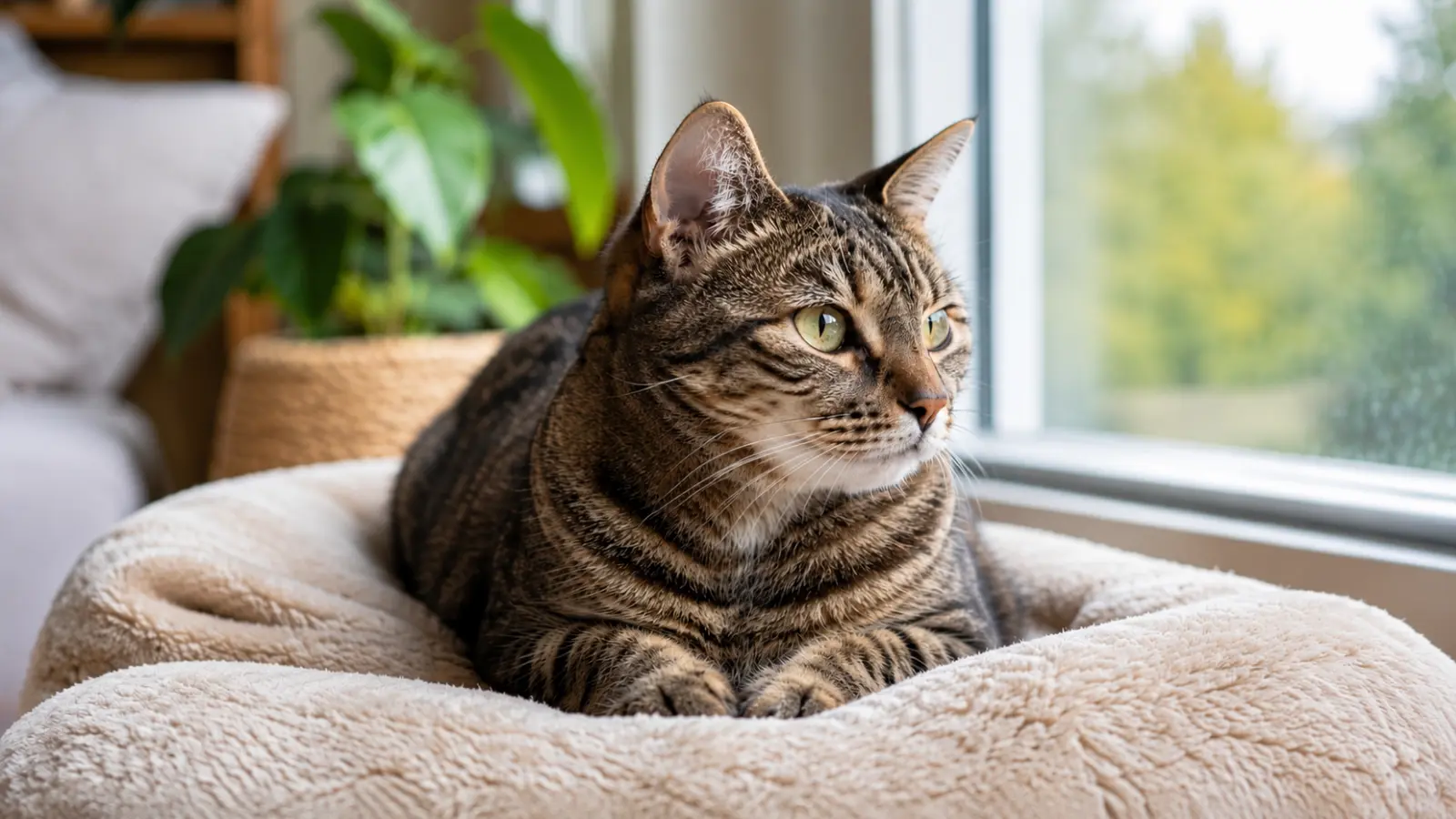
Learning how to care for a pet cat starts with providing nutritious food, fresh water, a clean litter box, regular play, and a safe, comfortable place to rest. Cats also need opportunities to scratch, climb, hide, and explore, along with preventive veterinary care and daily attention to changes in their health or behavior.
Although cats are often considered independent pets, they still depend on consistent routines and an environment that supports their natural behaviors. Kittens need extra supervision and opportunities to learn, adult cats benefit from predictable care and enrichment, and senior cats may require adjustments for mobility and health. In homes with multiple cats, providing enough separate resources is especially important for preventing stress and competition.
This guide covers the essentials of everyday cat care, including feeding, litter box setup, play, grooming, dental health, home safety, and veterinary visits. You’ll also learn how to recognize important warning signs, manage a multi-cat household, and prepare for the first week with a new cat.
Your Cat’s Life Stage Shapes the Routine
Start with the cat in front of you. The AAHA/AAFP feline life stage guidelines define a kitten as up to 1 year old, a young adult as 1 to 6 years, a mature adult as 7 to 10 years, and a senior as over 10. A newly adopted cat of any age may also need time to settle in before the routine feels normal.
| Life stage | What usually changes | Priority to plan for |
|---|---|---|
| Kitten (up to 1 year) | A stronger play drive, rapid growth, and more supervision needs | An early vet visit, a vaccination and parasite plan from your vet, and safe things to chase and climb |
| Adult (1 to 10 years) | A steadier pattern, with weight, dental health, and a stimulating home as the main long-term variables | Consistent routines, regular wellness exams, and noticing small changes early |
| Senior (over 10 years) | Less play drive, and joint pain can change which scratching surfaces, perches, and litter boxes a cat can comfortably use | Easy-access boxes and resting spots, closer monitoring, and a vet-guided plan for any change |
The Daily Cat-Care Routine
Cats do well with a predictable rhythm, but the best schedule follows the individual cat. Make meals, water checks, litter care, play, quiet rest, and observation dependable even during busy weeks.
| Daily need | What to do | What may change it |
|---|---|---|
| Food and water | Offer meals suited to your cat and fresh water, and notice whether your cat shows normal interest in both | Life stage, health conditions, diet plan, and vet direction |
| Litter box | Scoop and check every box, and notice how often and how comfortably your cat goes | Mobility, box preferences, household changes, other pets |
| Play and attention | Short hunting-style play and calm social time, ending when your cat loses interest | Age, confidence, health, and signs of overstimulation |
| Rest and retreat | Keep hiding, perching, and sleeping spots available and undisturbed | Visitors, children, other animals, renovations, new cats |
| Observation | A quick look at appetite, drinking, litter use, movement, grooming, and mood | Any sudden, severe, or persistent change calls for a vet’s guidance |
In a shared home, name one person per daily task and a backup. This prevents the common gap where everyone assumes someone else scooped the box, noticed an uneaten meal, or gave a prescribed medication.
Litter Box Setup and Cleaning
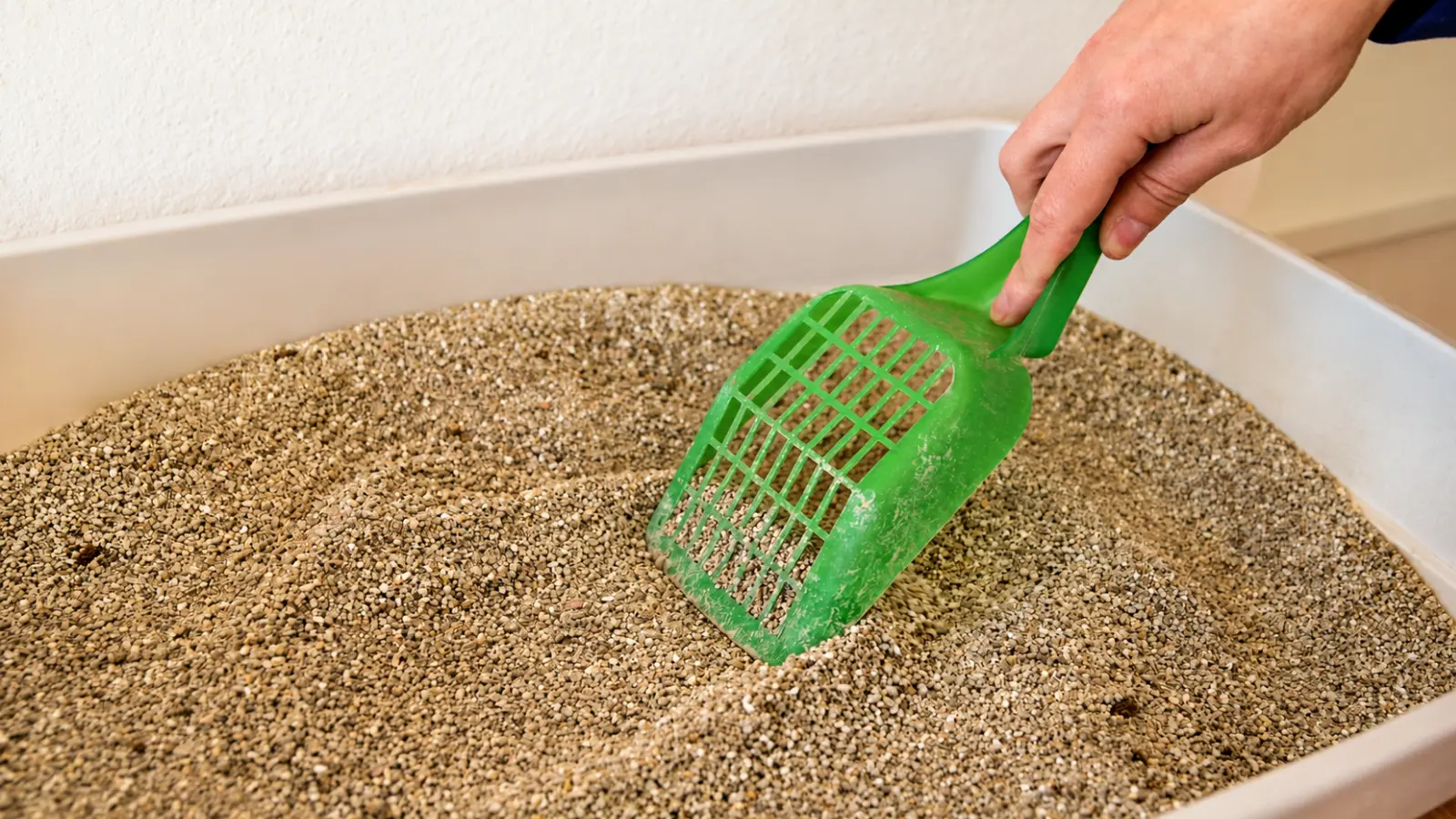
The litter box is both a daily resource and your best health-observation point. AAHA recommends at least one box per cat plus one more, so a two-cat home needs three. The CDC gives the same one-extra guidance. Place boxes in quiet spots around the home, away from food and water dishes, loud appliances, busy walkways, and cramped corners.
AAHA says cats generally prefer shallow, uncovered boxes that are at least one and a half times their nose-to-tail length, filled with a fine, granular, clumping, unscented litter unless your cat prefers something else. Self-cleaning boxes can startle skittish cats.
For cleaning, AAHA suggests scooping twice a day and washing boxes regularly with mild soap and water. Avoid strong-smelling disinfectants, and replace old boxes. The CDC recommends cleaning litter boxes daily and washing your hands afterward, even if you use a scoop.
If your cat stops using the box, do not assume it is misbehavior. AAHA lists urinary tract infections, urinary crystals or stones, feline idiopathic cystitis, kidney disease, diabetes, and arthritis among the medical reasons, and says a veterinary exam is the first step. Older cats and cats with cognitive or mobility problems may also struggle to get in and out of a box.
Food, Water, and Feeding Observation
Feed your cat food that fits their life stage and health, and keep clean water available. FeVMA advises keeping food and water as separate resources, dispersed around the home in places suited to the individual cat. Notice what is normal for your cat: enthusiasm at mealtime, typical drinking, and whether other pets interrupt meals.
Do not copy portions, supplements, or diet restrictions from another cat. A kitten, an adult, a senior, a cat with a medical condition, and a cat that needs weight support can need very different plans, so ask your vet to set the amount and type. Food choice, portions, treats, and body condition belong in Cat Nutrition & Healthy Weight.
Scratching, Climbing, and Play
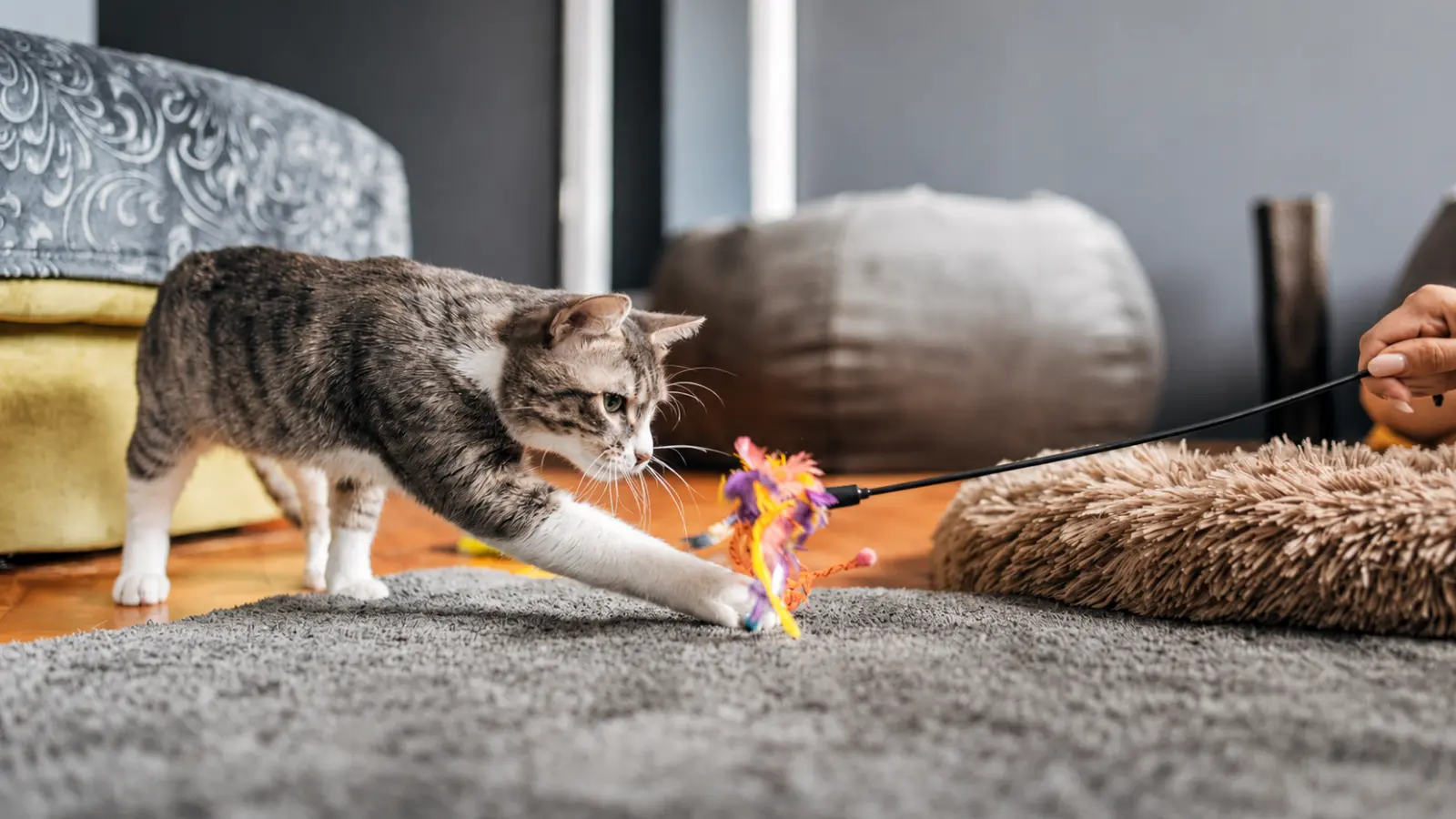
FeVMA lists play and predatory behavior, scratching, and elevated spaces among a cat’s core environmental needs. Scratching is normal and needs an outlet. Cats commonly prefer carpet, wood, rope, or cardboard surfaces, and some like vertical, horizontal, or angled ones. Preferences can shift with age: a senior cat with joint pain may favor horizontal surfaces. Place scratching surfaces where your cat already spends time.
Vertical space increases a cat’s usable territory and offers perches and retreats. Beds and boxes give hiding spots, and some cats favor high places while others prefer low ones. Offer both and see which your cat chooses.
For play, choose toys that let your cat stalk, chase, pounce, and finish the “hunt” calmly. Keep sessions short, follow your cat’s interest, and never force play or handling when your cat wants space. Rotating safe toys keeps indoor life interesting. Cat Behavior will cover deeper enrichment and behavior support.
Create a Safer Home for a Cat
Walk through your home from the cat’s point of view. Keep medications, cleaning products, string, cords, batteries, small objects, and food waste out of reach. Secure windows, balconies, and doors, and check appliances and small spaces before closing them, since a cat can slip out or hide somewhere unexpected.
Check your plants. The ASPCA lists the Easter lily as toxic to cats, with effects that include vomiting, loss of appetite, lethargy, and kidney failure, and says cats are the only species known to be affected. If your cat may have chewed any part of a lily, contact your vet or the ASPCA Animal Poison Control Center right away, without waiting for symptoms. If you are unsure about other lilies or any plant, ask your vet or poison control before bringing it home.
Whether a cat goes outdoors is a decision to make with your vet. The CDC does not call for strictly indoor cats, but advises that outdoor cats have shelter from cold, rain, and heat and a way to come indoors at night. Outdoor access raises the stakes for ID and parasite prevention. For the full prevention and emergency plan, see Pet Safety at Home.
Grooming and Dental Care
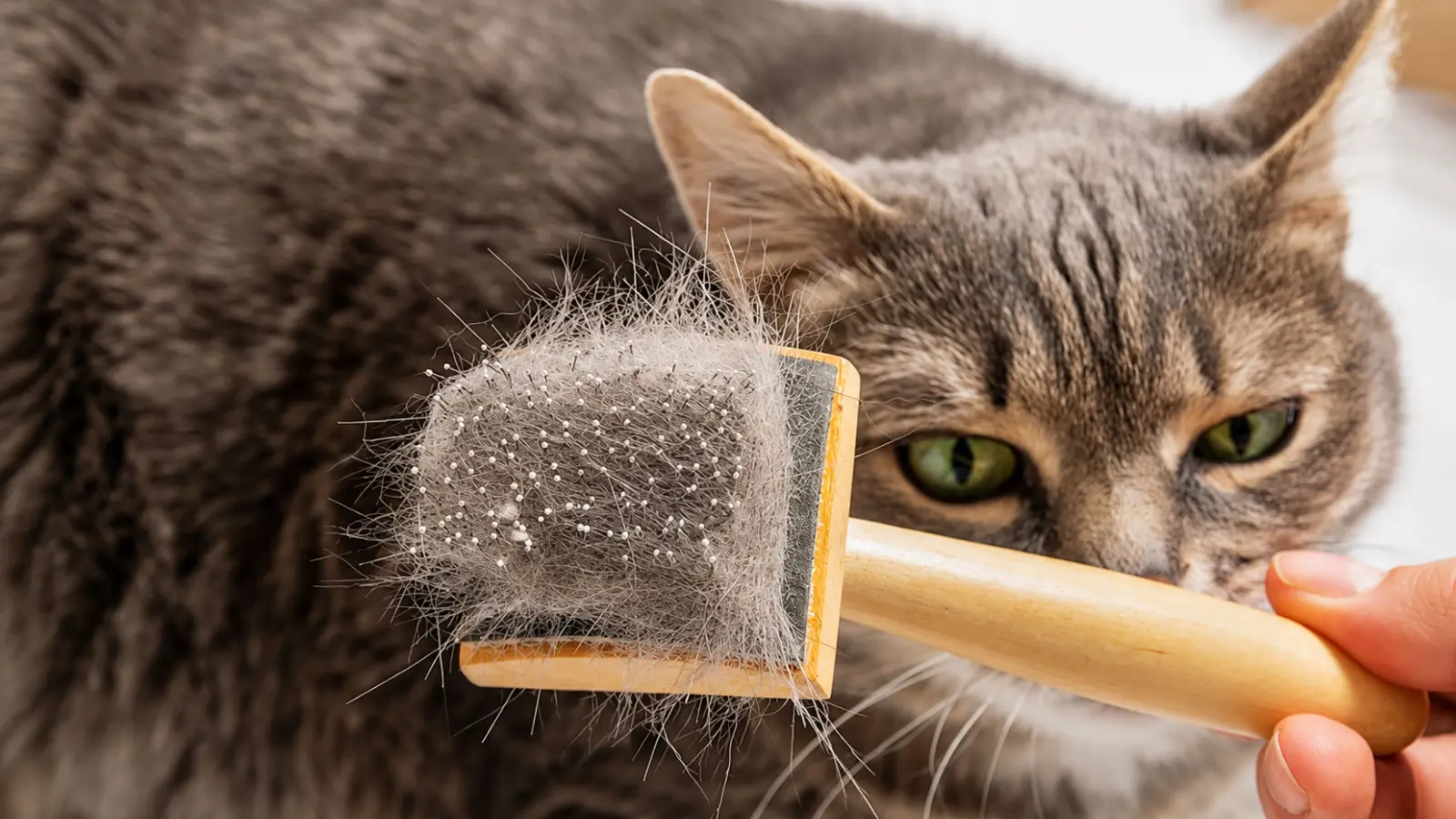
Grooming is a chance to notice changes in the coat, skin, ears, paws, nails, and body condition. How much help a cat needs depends on coat type, age, health, and ability to groom themselves. Introduce brushing slowly and stop if your cat is fearful or in pain. The CDC also advises trimming nails regularly, which helps prevent scratches.
Ask your vet to check your cat’s mouth at wellness visits and to recommend home care and professional treatment as needed. Do not force a mouth check or brushing session on a distressed cat. Cat Grooming will cover detailed routines.
Preventive Vet Care and Identification
Regular veterinary care builds a plan around your cat’s age, health, and lifestyle. The CDC advises taking a newly adopted cat to the vet within a few days to a week, keeping routine vaccines current (including rabies and feline distemper), and asking about others such as feline leukemia. Which vaccines and parasite preventives your cat needs depends on your cat and your area, so let your vet decide. An indoor lifestyle may lower some risks, but it does not remove the value of preventive care.
Never apply a flea, tick, or other parasite product to your cat without asking your vet first. The CDC warns that cats are highly sensitive to many chemicals.
Keep identification current. Use a readable ID tag where appropriate, and make sure your microchip is registered with your current phone number and address. Keep recent photos, veterinary records, and medication details where other caregivers can find them, and save your regular vet and an emergency clinic in your phone.
What Changes in a Multi-Cat Home
More cats means more of everything, not just more food. FeVMA advises providing each key resource (food, water, resting spaces, litter boxes, scratching surfaces, and play) in multiple, separate locations, so cats do not have to compete or pass a rival to reach them.
AAHA/AAFP guidance warns that owners often assume cats get along, when tension can show up as quiet avoidance rather than fighting. Watch for a cat that avoids a room, hesitates near a box, hides more, or changes routes through the house. Signs of fear include a cowering, flattened posture, dilated pupils, and a twitching tail. Never push a stressed cat to interact. If tension continues, ask your vet, who can also check for medical causes, and consider a qualified behavior professional.
Keeping Your Household Healthy Too
The CDC advises washing hands with soap and water after handling cats, their food and dishes, and after cleaning the litter box, and supervising children under 5 closely. Pregnant women and people with weakened immune systems should avoid cleaning litter boxes if possible. If no one else can, wear disposable gloves and wash hands afterward.
Even shallow scratches and bites can spread germs. Wash any wound right away with warm, soapy water. Seek medical care if the wound is serious or becomes red, painful, warm, or swollen, or if the cat seems sick or its rabies vaccination status is unknown.
Daily Observation and When to Call a Vet
You do not need to diagnose your cat to be a good observer. Learn what is normal for your cat’s eating, drinking, litter use, energy, movement, grooming, and social behavior. A short note or photo of anything unusual helps your vet.
Call your vet about any change that is sudden, severe, persistent, or simply worrying you. When you call, say when it started, whether it is improving or worsening, and what changed at home.
When it is an emergency: Trouble breathing, collapse, seizures, uncontrolled bleeding, a serious injury, or a possible poisoning needs immediate veterinary attention. So does a cat who is straining to urinate, crying in the litter box, or passing little or no urine. According to the University of Illinois veterinary college, a urinary blockage is a true emergency, most common in young male cats, and can progress to vomiting, lethargy, weakness, or collapse. Call your vet or an emergency clinic right away. For possible poisoning, you can also call the ASPCA Animal Poison Control Center at (888) 426-4435, available around the clock (a consultation fee may apply). Do not give human medications unless a veterinary professional tells you to.
This article provides general pet-care information and is not a substitute for veterinary diagnosis or treatment.
Your First-Week Checklist
If you are starting from scratch, these steps cover the essentials in a sensible order:
- Book the first vet visit within a few days to a week, and bring any records from the shelter or rescue
- Set up litter boxes (one per cat plus one) in quiet, separate spots away from food and water
- Place food, water, a scratching surface, a hiding spot, and a perch in different areas
- Walk through the home at cat level for hazards, including toxic plants and loose cords
- Get an ID tag if appropriate, and register or update the microchip
- Save your regular vet, an emergency clinic, and poison control in your phone, and name one person per daily task
Which Cat-Care Guide to Read Next
This page is the starting point, not the whole cat-care library. Use Cat Nutrition & Healthy Weight for food and body condition; Kitten Care for early life; Cat Health for symptoms and preventive care; Cat Grooming for coat, nail, and dental routines; and Cat Behavior for deeper behavior support.
Once the daily essentials are clear, add them to Pet Care Schedule so care stays consistent through busy weeks. For the wider responsibilities of pet ownership, read Pet Care Advice, and for hazards and emergency readiness, Pet Safety at Home.
Create a Safe, Healthy, and Enriching Life for Your Cat
Taking good care of a cat means more than providing food, water, and a place to sleep. A clean and accessible litter box, opportunities to scratch and explore, daily play, comfortable resting areas, and consistent veterinary care all contribute to your cat’s well-being. Understanding your cat’s preferences and respecting its need for both interaction and personal space can help create a more secure, comfortable home.
As your cat grows and its needs change, continue adjusting its environment, daily routine, and preventive care with guidance from your veterinarian. Pay attention to changes in appetite, litter box habits, movement, grooming, and behavior, and seek professional advice when something seems wrong. Consistent care, a supportive environment, and early attention to health concerns are essential to helping your cat thrive throughout its life.
Frequently Asked Questions
What does a pet cat need every day?
A pet cat needs species-appropriate food, fresh water, a clean litter box, opportunities for play, and comfortable places to rest, scratch, climb, and hide. Daily care should also include calm social interaction and observation of appetite, drinking, litter habits, grooming, and behavior. The routine should be adjusted to the cat’s age, health, mobility, and individual preferences rather than following a rigid schedule.
How often should you feed a cat?
Most healthy adult cats can follow a consistent feeding routine with measured meals, while kittens generally need more frequent feeding to support growth. Choose complete and balanced food appropriate for your cat’s life stage, and determine portions using body condition, activity level, and veterinary guidance. Keep fresh water available at all times, preferably in a quiet location separate from food and litter boxes.
How many litter boxes does a cat need, and how often should you clean them?
A useful starting rule is one litter box per cat plus one extra, meaning two boxes for one cat and three for two cats. Place them in separate, quiet, accessible locations rather than grouping them together. Scoop at least daily, ideally twice, and wash the boxes regularly using mild, unscented cleaning products. Adjust the setup for your cat’s preferences, mobility, and household layout.
How do you keep an indoor cat happy and healthy?
Provide daily interactive play, scratching surfaces, climbing opportunities, hiding spots, and safe places to observe the household. Rotate appropriate toys and allow your cat to choose when to interact or retreat. Indoor cats also need preventive veterinary care, a balanced diet, weight monitoring, and a stimulating environment. In multi-cat households, distribute essential resources to reduce competition and stress.
How often should you take a cat to the veterinarian?
Healthy adult cats generally benefit from at least one wellness examination each year, while kittens, senior cats, and cats with medical conditions may need more frequent visits. Veterinary care should include individualized vaccination, parasite prevention, dental assessments, and health screening. Schedule an initial visit within a few days to a week of adopting a cat, even if it appears healthy. Indoor cats still need preventive care.
What should you do if your cat stops using the litter box?
Arrange a veterinary evaluation rather than assuming your cat is misbehaving. Changes in litter habits can result from stress, box preferences, arthritis, or medical conditions affecting the urinary or digestive system. If your cat repeatedly strains, cries while trying to urinate, or produces little or no urine, seek emergency veterinary care immediately. A urinary blockage can become life-threatening, particularly in male cats.